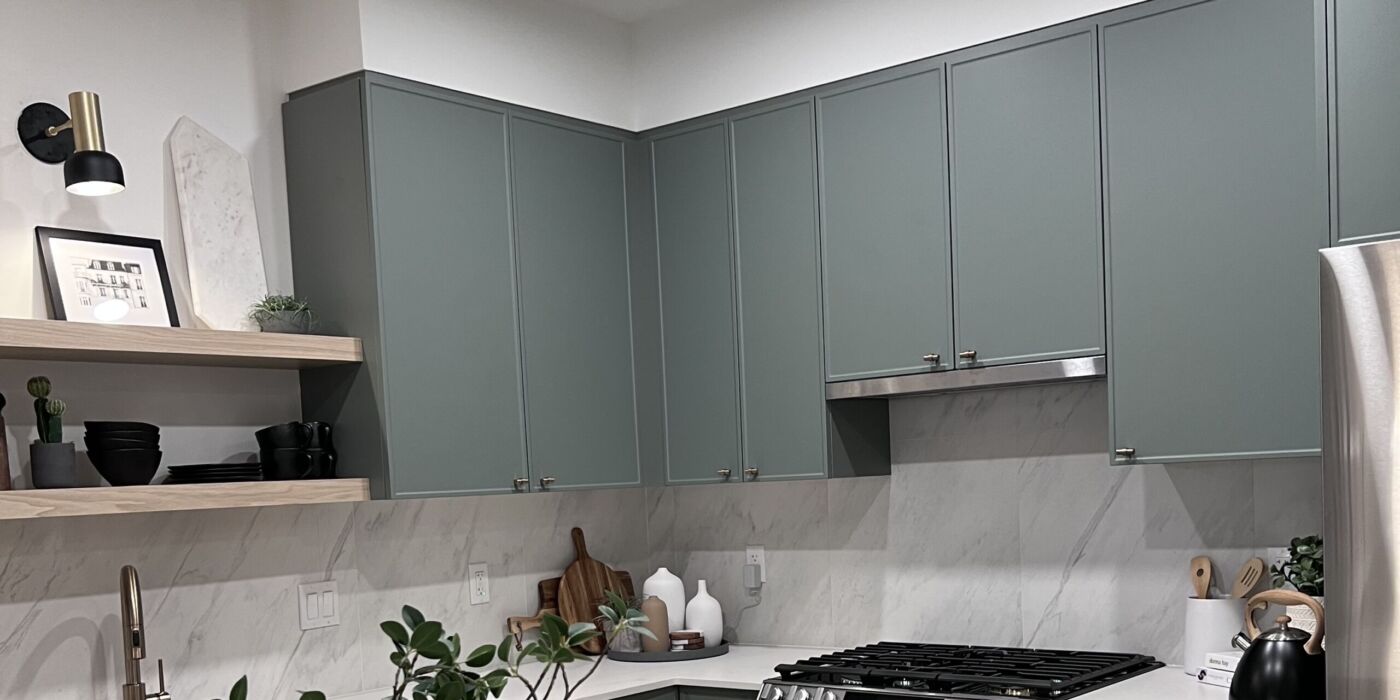
Custom made cabinet doors give design teams more control over how a space comes together. Whether working on a full kitchen install or an upgrade to specific cabinet areas, having the right fit and finish matters. The ability to shape the design from the ground up allows for better planning around material strength, final appearance, and use.
Spring is a good time for many builds and remodels, but it can also bring weather shifts that affect schedules and delivery. Picking the right cabinet door design early and being clear about the specs helps avoid project delays. For builders and designers handling multiple installs or commercial rollouts, knowing what to cover during planning really helps things move smoothly.
Picking the Right Material for Function and Style
Not all finishes are suited for every space. For custom made cabinet doors, we usually lean toward laminate or thermofoil. These finishes hold up well in high-use areas, and they don’t react the way wood does in changing temperatures. That makes them a smart choice for spring installations, where the weather is still finding balance.
- Laminate works well in kitchens, break rooms, or anywhere that sees lots of hands
- Thermofoil gives a consistent look and is easy to match across large builds
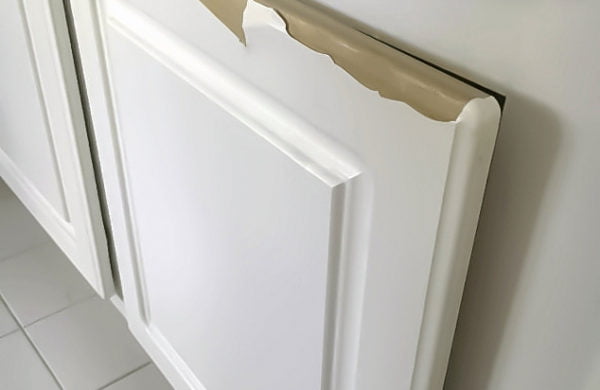
- Both resist cracking, peeling, and warping, important in humid or dry spring air
Picking by performance instead of appearance alone makes a big difference when the doors are in place and being used daily. By thinking through how the space will function, we can help reduce the chance of touch-ups or changes down the road.
How Layout and Sizing Affect Final Fit
Clean measurements are one of the most important steps before placing an order. Each cabinet box might need slightly different sizes, and even small changes across a build can lead to big install problems.
- Always double-check box width, height, and depth
- Keep track of hardware placement and how much clearance is needed
- Plan ahead for fillers and spacing between doors
Leaving enough room between cabinet doors for hardware and swing is key, especially when multiple trades are working on-site. When custom sizing lines up accurately with the cabinet layout, install crews can work faster and more confidently without having to make adjustments on the spot.
Matching Design to Application
Style is another factor that plays a big role in cabinet door performance. For spaces that will get a lot of traffic, slab doors might be a better pick. In calmer spaces, shaker or square profiles can work well and stay clean longer. We want the design to suit the space based on both how it looks and how it will get used.
- Slab front doors are low maintenance and easy to wipe
- Shaker style gives more profile depth while still being simple to clean
- Matching edge profiles across grouped areas helps keep a more uniform look
It also helps to look beyond the door itself. Make sure the swing path doesn’t line up with walls, appliances, or other unit doors. No one wants to rehang hardware during install because of missed spacing in a tight corner. Thinking through the room as a whole makes sure function and design stay in step.
Finish and Colour Considerations for Spring Projects
This time of year often brings shifts in lighting and mood. In bright, natural daylight, some finishes show fingerprints or scuffs more than others. Choosing the right tone can help the space stay looking fresh without constant upkeep.
- Lighter finishes pair well with spring builds and give a cleaner sightline
- Textured finishes can help hide prints and smudges in high-touch spots
- Use shared samples across units to match filler strips, panels, and mouldings
We recommend finalizing colours and finishes early in the design phase. Waiting too long can lead to mismatches, backorders, or delays in fabrication. Not every finish is available year-round, so locking that in on time saves a lot of follow-up work.
Planning Shop Details for On-Time Delivery
Even with strong planning, changes can happen. Builders and designers need to account for small tweaks in measurements and timelines without letting them slow down the whole build. Shop drawings should be kept up to date, especially if box adjustments are made on site.
- Confirm all specs before fabrication: sizes, finish, edge style, and bore pattern
- Flag any updates quickly so production stays aligned
- Spring weather can affect transport, so leave space in the schedule for shipping
Custom cabinet doors are built to spec, so last-minute changes can slow things down or result in wrong-fit pieces. Taking an extra day to check all materials and drawings can save a week of delays later on. We always recommend building in a buffer when scheduling delivery, especially around wet or stormy weeks.
A Better Result Starts with Smart Planning
Custom made cabinet doors give us flexibility to design smart, functional spaces. That freedom comes with the need for planning ahead and staying consistent across materials, measurements, and specifications.
Clear specs and early material choices help cut down on delays, errors, and rework. When we know what the project needs from the start, we are better able to deliver quality results on time. Planning with spring weather and install timing in mind is a simple way to keep builds on track and stress levels low.
Transform your next spring build with precision and style using custom made cabinet doors designed to match your unique specifications. At M+J Woodcrafts, our commitment to quality and tailored solutions ensures your projects are completed seamlessly, even with the challenges of changing weather. Let us help you achieve the perfect fit and finish for a space that combines functionality with aesthetic appeal. Reach out to us today to explore how we can make your design vision a reality.