Open-plan kitchens ask a lot from the smallest details. There is more space to work with, but that means more chances for design choices to feel disconnected or off-balance. This is where kitchen cupboard doors play a bigger role than most expect. They help organize the look, shape the flow, and keep large open spaces from feeling too busy.
When everything is visible—kitchen, living, dining—it matters how each section connects. Cabinet door manufacturing is not just about function. It sets the tone for clean, calm, and joined-together spaces. For builders working on wide, open kitchen layouts, smart cabinet door choices can make winter installs go smoother and lead to fewer surprises.
Material and Finish Choices That Keep Sightlines Clean
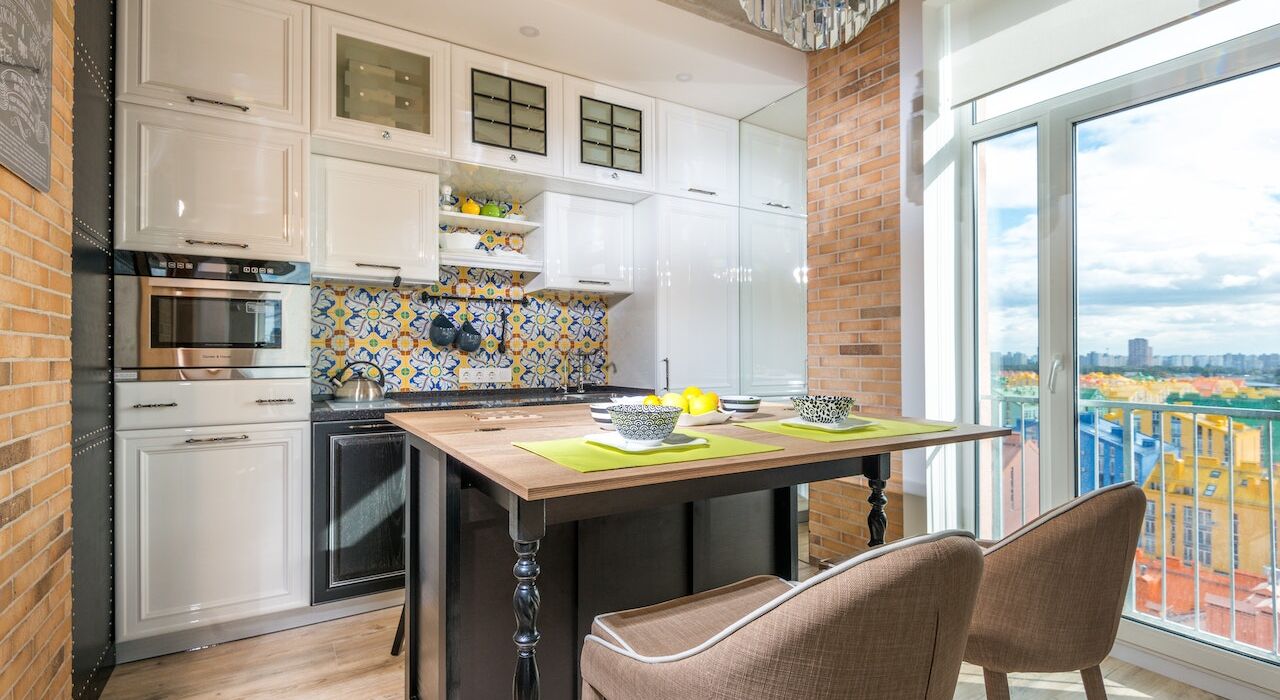
In larger spaces, finishes do much more than carry a colour. Glossy surfaces can become distracting when open spaces have lots of windows or lighting. Low-gloss or matte finishes often keep open-plan kitchens pulled together without harsh reflections.
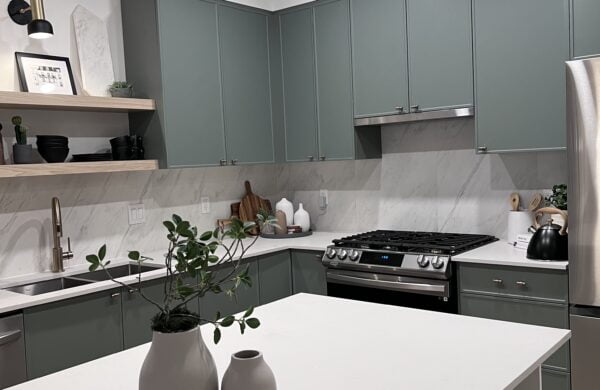
Slab-style kitchen cupboard doors work well here. With no raised trim, they form a base for everything else and let the kitchen flow into the rest of the space. Minimalist door faces support both modern and calm settings, which are easier to blend across dining or living sections.
Colour matching edge treatments or finishes with nearby furniture or wall finishes is another great way to unify the entire zone. During winter, muted or mid-tone shades help prevent the whole area from looking harsh when natural light drops off. Thoughtful use of materials that soften those lighting shifts keeps things balanced from morning to evening.
M+J Woodcrafts manufactures cabinet doors with smooth, low-sheen laminates and clean edge options, ideal for creating cohesive flows in open plans.
Sizing and Spacing That Works with Open Layouts
Frameless cabinet doors work best for open kitchens. They are simpler to align and make the wall feel longer and less broken up. Large kitchens that keep details simple on the main face allow everything to feel connected instead of boxed in.
Planning matters, too. Builders need to think about door swing space, where appliances sit, and how sightlines change when a door opens. Ignoring these basics can force awkward adjustments that break the room’s rhythm.
Oversized kitchen cupboard doors can be too heavy visually, especially above counter height. Spreading storage across a few more doors of similar size keeps things balanced and prevents sections from standing out in the wrong way. Consistent spacing around all the doors helps everything feel squared up across the whole wall. Careful door layout means the open kitchen works with, not against, the rest of the space.
Choosing Hardware That Fits the Flow
Hardware is an easy way to keep things looking organized. In open-plan designs, handleless cabinet doors or recessed pulls help the kitchen feel less cluttered and easier to pass by. This is a big help in homes where people walk through kitchen areas often.
For colder months, soft-close features are especially useful. With more time spent at home, shared noise can carry from the kitchen into living or working spaces. Quiet cabinet doors support a calmer atmosphere.
It helps to match hinge weight, pull style, and fastener finish before install. This cuts down on late surprises and speeds up on-site work. Care in hardware selection also makes each cabinet door stronger, so it lasts just as long as the rest of the build.
Seasonal Considerations for End-of-Year Builds
Cold snaps and job sites in winter bring a few new challenges for kitchen cupboard doors. Not every material performs the same way when buildings are not fully heated or climate-controlled. Laminate finishes, for example, may bond at a different rate in low temperatures.
Uninsulated spaces or exposed install areas can expose cabinet doors to shifting temperatures, making expansion and contraction a bigger issue. Ordering robust materials and sharing site details with your supplier can avoid mishaps with finished surfaces and adhesives.
Carriers and installation crews can also work more smoothly when told if a delivery will mean ramps over snow or shifting equipment through cold entryways. Fewer surprises at the site mean cabinet doors stay protected all the way to the final fit.
Matching Cabinet Doors to Multi-Zone Living Spaces
It is common for open kitchens to overlap with dining or living zones. A kitchen design that blends pattern, colour, or edge style not only supports its own area but links easily to spaces nearby.
It pays to echo elements from other furnishings. Choosing woodgrains that fit a dining table, matching lines to a nearby storage unit, or repeating a cabinet edge on a media wall all help tie a wide room together. These small steps ensure the room feels designed, not pieced together.
Coordinating winter builds means planning finishes that carry warmth and unity across changing light conditions. With soft laminate textures and toned-down hues, repeated from kitchen to hallway or lounge, the home feels friendly through the darker months.
How Smart Cabinet Door Planning Supports Better Flow
Workflow in open kitchens ties directly to smart cabinet door decisions. When kitchen cupboard doors match the design intent of a whole room, everything moves without a hitch from install through final touch-ups.
Design and planning early in the process pays off. Thinking through swing clearance, texture, and tone can help installations go smoothly, and lets every section of an open home feel more linked. The best cabinet doors make transitions quiet, easy, and visually simple—supporting everything from quiet family breakfasts to chaotic winter evenings with friends.
When layouts need to stay clean and connected from one zone to the next, the right cabinet door setup matters. Open spaces work best when surfaces line up and finishes hold steady, even during seasonal changes. We offer a range of kitchen cupboard doors that support those needs without slowing down your schedule. At M+J Woodcrafts, we build each one to suit the way design and install crews actually work. Reach out to start a conversation about your next project.