Winter brings a different pace to project planning, especially on the West Coast. Rain, cool temperatures, and job site delays all shape the way teams work from December through March. For builders and designers, knowing what to expect from door suppliers in Vancouver makes planning smoother. Delays can happen when materials are not stored right or suppliers miss lead times. That is why local suppliers need to be ready for wet conditions while still turning out approved products that fit on site.
Cabinet door manufacturing does not stop when the weather turns cold. Materials still need to perform, installs have to move forward, and schedules do not get extra time. The right supplier knows how to manage the conditions so everything stays on track. It is not about rushing the job, but about using materials that perform well through the season.
Planning Around Moisture and Wet Conditions
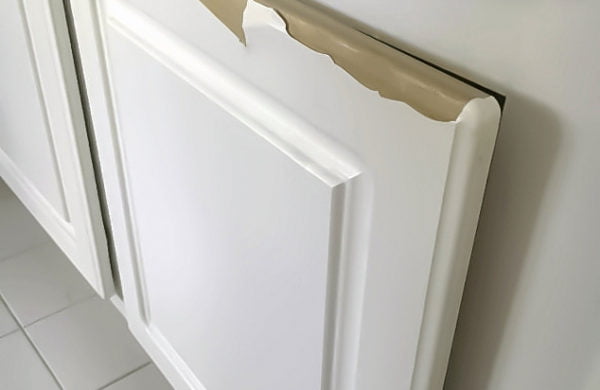
Vancouver’s winter weather brings steady rain and damp air. Materials can shift if not handled right. Humidity sometimes causes swelling, edge lift, or bonding issues in some cabinet door cores. This is a key reason why we do not use solid wood—stability is just not there when the air is damp.
Laminate works better in these conditions. It keeps its edge, does not react the same way to moisture, and stays smooth during both cold snaps and wet weeks. This consistency makes it the go-to for jobs that cannot pause for a few dry days. We choose surfaces and layered materials that will not swell or crack when moved from cold outdoor storage to warm indoor installs.
Transport and staging are always important. If cabinet doors stay in a damp container for too long, problems can show up before the wrap is off. Keeping everything sealed until inside, storing doors off the concrete, and avoiding stacked piles on wet floors all go a long way to protect the surface until install.
M+J Woodcrafts builds cabinet doors with dense, moisture-resistant cores and sealed finishes, helping stand up to long stretches of humidity and heavy rainfall common in Vancouver winters.
Keeping Lead Times Predictable in Cold Months
Every lost day in winter matters more. Bad weather slows up shipping, and production cycles can get pushed out if suppliers cannot catch up. Good planning starts with setting realistic approvals and locking details before materials get cut.
Lead times do not have to stretch every winter. We set internal cut-off dates and watch which styles or materials are available as weather changes. Certain colours or textures may need extra time if shipping or climate changes get in the way. By grouping orders by finishes or materials, it is easier to keep timing on track, especially when glue or bonding response is affected by cold weather.
Builders and designers help keep things smooth by sending over complete spec sheets and clean files. Early decisions are the best defence against surprises that would slow down the project.
Installation Considerations for Winter Projects
Installing work during the winter comes with a few extra steps. Some adhesives do not bond the same way in cold temps. Hardware sometimes sticks or seizes up if it has just come in from an outdoor truck and is forced into place too soon. Acclimatizing materials for a short time indoors before install really helps.
Job sites can be tight during the winter, with staging moving inside to avoid wet lots. Narrow spaces and closer quarters make every inch matter, so cabinet doors need to arrive pre-sized for fast, clean fits. Late field cuts or trimming become much harder to pull off.
Dry fits and trial placements save trouble. It helps spot spacing or alignment problems before anything is fastened for good. In winter, a little extra checking before final mount cuts out rework and makes installs go faster overall.
Consistency and Material Performance in Winter
Good winter installs rely on every piece arriving matched and ready to mount. Machine-cut sizes keep fieldwork low, so installers do not have to sand or recut surfaces outdoors when the weather is bad.
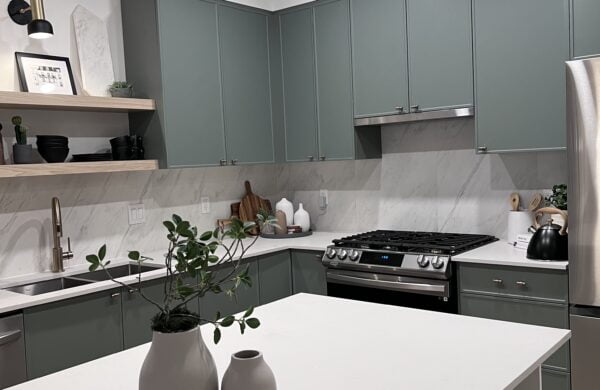
Avoiding materials that react to shifts in cold and moisture is key. Stable laminates, tough cores, and weather-proof finishes stick to their specs until the job is done. Installers can depend on these choices, and the build looks sharp even after winter handoff.
Finish also impacts daily use. Matte or textured choices hide fingerprints and wear in low light—common for Vancouver’s long winter days and commercial staff settings. These choices keep things neat even if cleaning happens less through the week.
Coordinating with Local Suppliers
Choosing door suppliers in Vancouver does more than just speed up shipping—it brings extra site awareness. Local suppliers understand weather, know the challenges of last-mile delivery during rain or ice, and adjust delivery windows without slowing the chain.
City job access, narrow routes, and weather hold-ups are familiar to local teams, and that experience keeps surprises to a minimum. Shorter routes mean less risk of load issues, and if revisions ever come up, help is close by.
A supplier familiar with Vancouver’s climate habits can also help spot risks others might miss—whether it is about storing product during wet spells or how to load site deliveries for smaller laneways or underground sites. These details keep schedules on track and cut out stress for crews closing a job before winter wraps up.
Staying on Schedule During the Winter Build Season
Finishing projects on time during winter is about more than avoiding snow days. It is about getting details right, starting with materials built for wet weather and coordination with suppliers who understand the routine.
Stable cabinet doors, ordered to fit Vancouver’s climate, lead to fewer reorders, smoother installs, and reliable results no matter the weather. Good plans and strong local support mean that winter does not have to slow builds down—and that the finished space will work through all seasons.
Winter-ready planning makes all the difference, especially when timing and fit need to stay on point. We work closely with builders and designers who rely on stable, moisture-resistant finishes and dependable delivery, no matter what the weather brings. Partnering with experienced door suppliers in Vancouver can help keep seasonal builds moving without delays. At M+J Woodcrafts, we support tight timelines with materials built to handle the wet months. Get in touch to talk through your next build.