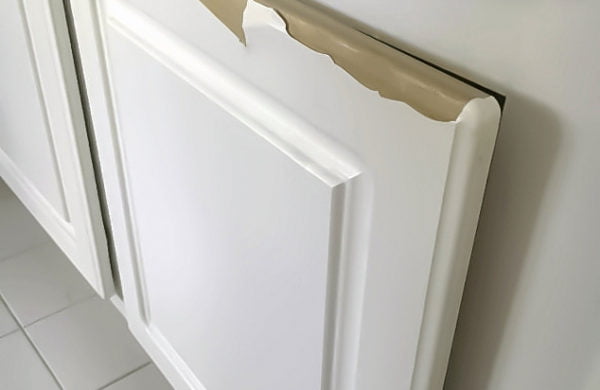
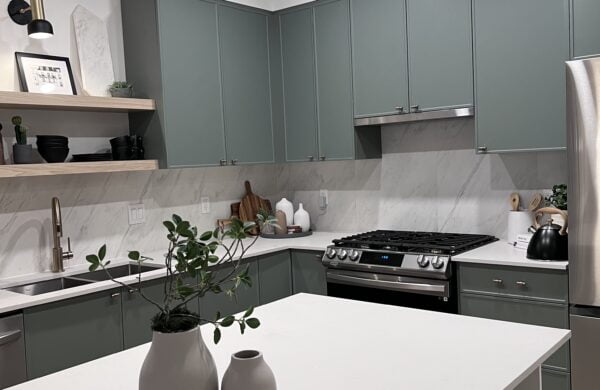
Finish quality plays a major role in the overall appearance of cabinetry. Designers, manufacturers, and project teams rely on cabinet doors that maintain a consistent look across spaces, regardless of project size or scope. From residential kitchens to large commercial interiors, differences in sheen, colour, or texture can affect the final result.
That is where thermofoil door manufacturers help shape the outcome. A uniform finish does not happen by chance. It comes from careful material selection, controlled manufacturing processes, and ongoing quality checks. Every stage of production contributes to the finished surface you see at the end.
Projects often bring together multiple design elements, finishes, and lighting conditions. Cabinet doors may be installed beside large windows, integrated shelving, or contrasting materials. Each door needs to maintain a consistent appearance regardless of its surroundings. The right manufacturing practices help reduce finish variation and support a clean, professional result throughout the project.
Materials Matter from the Start
Achieving a consistent finish begins long before the thermofoil is applied. It starts with the core material, typically medium-density fibreboard (MDF). If the surface is uneven or unstable, the finished door may not achieve the desired appearance.
- Smooth MDF provides a stable surface for consistent foil application
- Routed profiles are carefully prepared to support clean finishing
- Matching foil lots are grouped together to reduce colour and grain variation
Small imperfections in the substrate can become more noticeable once the foil is applied. Surface preparation helps minimize these issues and supports a cleaner final appearance. Each component is inspected before moving to the next stage of production, helping reduce unexpected defects later in the process.
Foil selection is equally important. Even when sourced from the same supplier, individual foil lots can vary slightly. Grouping compatible materials and confirming grain direction helps ensure a consistent appearance across larger orders.
Flaws that may seem minor during preparation often become much more visible after pressing. Careful core preparation and material inspection help reduce those risks before production moves forward.
How Heat and Pressure Shape the Final Look
Once preparation is complete, the thermoforming process plays a critical role in the finished appearance of the door. Heat and pressure must be carefully controlled to achieve proper adhesion and a uniform finish.
- Press temperatures are adjusted based on door profiles and foil specifications
- Pressure is distributed evenly to reduce the risk of air pockets or surface inconsistencies
- Equipment is routinely calibrated to maintain consistency between production runs
Different door styles and foil types often require adjustments to production settings. Too much heat can affect gloss levels or colour appearance, while insufficient heat may impact adhesion around edges and profiles.
Pressure control is equally important. Consistent pressure helps ensure the foil bonds evenly across the entire surface, including routed details and edge profiles. Careful monitoring throughout production helps maintain a uniform appearance from one door to the next.
Regular equipment calibration helps maintain consistency over time and supports repeatable results across projects of all sizes.
Avoiding Finish Variation in Large Orders
Maintaining finish consistency becomes increasingly important on larger projects. Multi-unit developments, commercial interiors, and phased installations often require cabinet doors produced over multiple production runs.
- Larger orders are often grouped into production batches when possible
- Foil colour and sheen are verified before each production run
- Production records help maintain consistency between batches
Many projects require additional cabinet doors weeks or months after an initial order. Detailed production records make it easier to match previous specifications, helping maintain consistency throughout the life of a project.
Material tracking, production settings, and finish specifications all contribute to repeatable results. These controls help reduce noticeable differences between production runs and support a consistent appearance across completed installations.
Careful planning also helps ensure matching materials remain available throughout larger projects, reducing the risk of visible finish variation between phases.
Final Checks That Keep Things Consistent
Quality control remains an important part of maintaining finish consistency. While automated processes help improve precision, final inspections help identify details that equipment alone may not detect.
- Visual inspections help identify gloss or colour inconsistencies
- Edge reviews help confirm proper adhesion and finish quality
- Any identified issues can be corrected before products leave the facility
Cabinet doors are often inspected under different lighting conditions to identify subtle variations in appearance. These reviews help ensure consistency across surfaces, profiles, and finished edges.
If an issue is identified, corrective action can be taken before shipment. This helps reduce delays, minimize rework, and support smoother project execution for manufacturers, designers, and installers.
Consistent inspection procedures help maintain quality standards regardless of project size and contribute to a more reliable finished product.
Designed to Meet Expectations Every Time
Finish consistency may appear simple on the surface, but achieving it requires attention throughout every stage of production. Material selection, core preparation, foil matching, equipment settings, and quality inspections all contribute to the final result.
Consistent finishes are not achieved through a single process or material. They come from a combination of manufacturing expertise, repeatable procedures, and attention to detail. When those elements work together, designers and manufacturers can move forward with greater confidence, knowing their cabinet doors will maintain a consistent appearance throughout the project.
Reliable finish quality also helps reduce unnecessary adjustments, replacements, and project delays. The result is a smoother production process and a more polished finished product.
At M+J Woodcrafts, we understand the importance of finish consistency across every order. Our team works closely with manufacturers, designers, and millwork professionals to help deliver reliable results from project to project. Explore our cabinet door collections or contact us to learn more about our thermofoil and 3D laminate door options.