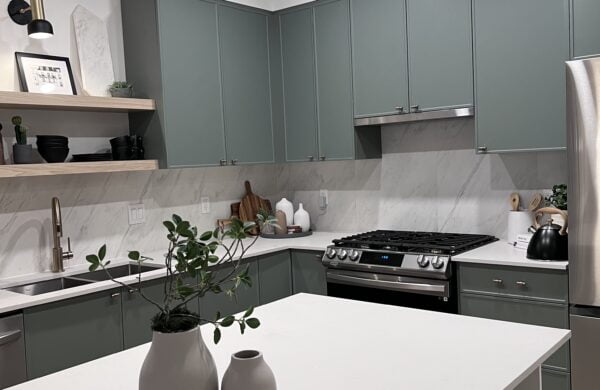
When planning kitchen projects, architects across Canada deal with plenty of moving parts. And for most kitchen layouts, what shows up first in drawings and the final build is the cabinet doors. They define the style, influence how trades finish edges and corners, and play a big part in how durable the space feels over time.
Choosing the right cabinet doors means asking the right questions up front. Everything from how materials behave in cold weather to how finishes react under winter heating can influence long-term performance. And since planning for winter installs adds more pressure, understanding what to expect from custom kitchen cabinet doors in Canada can help keep your design timeline moving the way it should.
What Performance Questions Should Architects Be Asking?
Architects who take the time to ask sharp, functional questions about performance often avoid last-minute fixes onsite. It’s not just about looks. It’s about how the cabinet doors last, and how well they handle fluctuations in heat, cold, and use.
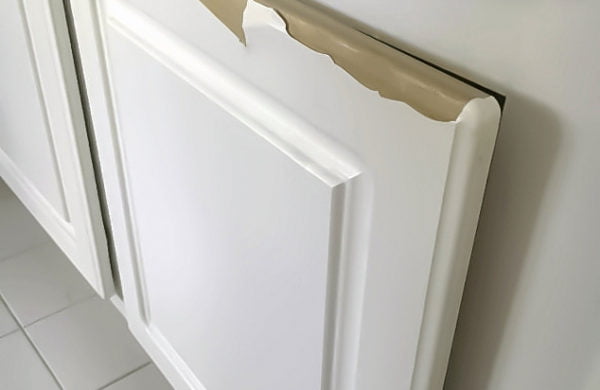
- Ask how a finish holds up in kitchens with high heat or humidity, especially during winter installs when dry air or site heating can stress the surface.
- Look into whether the core materials are stable across different conditions. MDF tends to perform more reliably in temperature swings than other materials.
- Profiles matter too. Simpler edges and clean builds often reduce the amount of patching or planing required on site. That can save both time and trade coordination, especially when you’re on a tight schedule.
The more predictable the material and finish behave under real-world conditions, the more reliable the outcome. Architects benefit from a clear sense of what’s expected both for longevity and for regular use. When the performance questions are answered early, every step downstream becomes more predictable. Sites in different parts of Canada face specific challenges in winter, so knowing what can stand up to dry or rapidly changing air makes the difference between smooth installs and ongoing fixes.
Understanding finish and material behaviour is especially important when coordinating with other trades. Cabinet doors that hold up in variable kitchen conditions save time for painters, carpenters, and installers, letting everyone stick to the project timeline. Good choices here often result in fewer callbacks, less maintenance, and a better handoff to the client.
What Manufacturing Processes Matter for Consistency?
Good cabinet door design doesn’t stop at the spec sheet. It connects directly to what happens in the manufacturing stage. Architects who are used to working with millworkers know the back-end processes can affect how well everything installs and aligns on site.
- Take edge treatments seriously. Not all edges are cut or prepped the same way, and if they’re not factored into the drawings, mismatches can happen fast.
- Pay attention to production timelines. Even small adjustments in sequencing or finish selection can shift the delivery window. Winter conditions may already limit site access, so building these early prevents backlog.
- Ask how materials are sourced. If environmental responsibility is important to your project or client, it helps to confirm which environmental certifications are in place and whether waste is minimized during production.
Functional alignment between design and production creates fewer surprises, especially when changes happen late in the build. By considering manufacturing steps early, architects can support clear communication channels with production teams, making installs more straightforward. For example, if cabinet doors have unique finishes or profiles, requesting samples early in design helps catch any problems before final decisions are made. If designs shift, notifying the manufacturer as soon as possible helps avoid delays or part shortages, which can increase lead times in colder months.
Precise manufacturing also ensures that QC checks catch issues before shipping. Reliable cutting, edge banding, and controlled finishes all contribute to a consistent look once the cabinet doors reach the site. If specs and manufacturing protocols match, every unit is easier to install, and contractors can finish their work on time, even when winter weather shortens daylight or delivery times.
How Do Design Details Like Finish and Fit Affect the Build?
Even when a plan looks clean on paper, fit and finish details have a way of surfacing at install. Architects who think through how the cabinet doors meet surrounding features, like integrated panels, trim, and other millwork, often save time across every trade.
- If you’re matching cabinet doors with wall panels or built-in components, align finishes early with those adjacent surfaces. That includes matching sheen levels and keeping grain direction consistent.
- Lock in finish types upfront. Some finishes may require more cure time or react differently under jobsite lighting. Uniformity can be difficult to fix once delivery is in motion.
- Grain direction, colour shifts, and edge profiles affect how installers manage seams and shadows, especially in tight kitchen areas. Misalignment in any of these can slow down finishing teams or drive rework before handoff.
Consider how even small detail shifts, such as slightly different sheens on different surfaces, can slow down or complicate the finishing process. Asking about finish cure times or how different materials perform when stored briefly onsite during cold snaps can make installation smoother. When every detail is designed with fit and finish in mind, installers spend less time making adjustments at the last minute. Areas where kitchen cabinet doors meet other built-in features should be considered ahead of time so that all visible faces align after install.
Careful attention to how the finish interacts with jobsite lighting and to how each profile meets trim or wall panels can help create a seamless look in the finished kitchen. Reducing the need for onsite fixes or extra paint touch-ups means quicker project closeouts and less disruption to other trades or schedules.
How Does Seasonality Affect Cabinet Door Installation in Canada?
A kitchen install in February looks different from one in July, especially across colder parts of Canada. Site conditions, transportation, and material behaviour all change once winter shows up, and architects should think ahead for how that affects cabinet door performance.
- Seasonal expansion and contraction may not seem like a big deal in early design phases, but it can lead to cracked seams or sticky installs if not built in early.
- Winter delivery schedules require more margin for transport time. Installers may need more flexibility, not just in cabinet door delivery but in where to store product once it’s onsite.
- Cold air, humidity swings, or fast temperature changes from a site heater can change how some finish materials cure or adhere.
The timing of cabinet door production and delivery should be matched with construction schedules and weather forecasts. For instance, planning for added buffer time in manufacturing or delivery can keep jobs running even when winter travel causes transport slowdowns. Architects also take into account storage conditions on site, heated rooms versus unheated spaces can influence how materials behave once unboxed and installed. Being aware of these factors from the beginning helps reduce surprises, keeps projects on track, and allows every trade to do their job efficiently.
Understanding the effect of Canadian winters on both product lead times and onsite handling helps architects ask better questions when ordering. Are the cabinet doors protected from the cold in transit? Will finishes need extra time to cure before installation? These questions keep projects moving forward in line with both seasonal realities and quality expectations.
The Value of Asking the Right Questions Early
The more informed the early design decisions, the smoother everything tends to go later. Architects who ask about finish performance, manufacturing steps, and cold-weather tolerances before drawings are locked have better control over what hits the site.
Clear specs, paired with stable materials and a practical awareness of manufacturing details, help the rest of the build proceed without confusion. Asking the right questions ahead of time helps make sure custom kitchen cabinet doors in Canada show up ready to install, without added stress or delays, especially when winter weather is already taking up room on the schedule.
At M+J Woodcrafts, we understand how important it is for architects to secure cabinet door details that perform under seasonal pressure and remain consistent from the design phase to installation. Managing moisture shifts or meeting winter deadlines is easier when the right design is chosen early, helping prevent on-site delays. When you need to work with specific profiles, finishes, or materials, start by viewing our custom kitchen cabinet doors in Canada, produced for performance and long-term stability. Ready to move your next project forward? Give us a call.