When you’re ordering custom cabinet doors in Canada, there’s a lot that needs to go right from the start. Even one misstep, like a skipped measurement or unclear spec, can throw off the whole job. That’s especially true during colder months, when tight timelines and changing site conditions make last-minute fixes harder than usual. Builders and designers know how delays can ripple through a project, and nobody wants to hold up the next trade in line. Getting everything lined up from the order stage helps avoid surprises later on, especially when site access or transportation can be tougher in winter.
Even small gaps or misalignments can cause real problems when you’re working in tight layouts or shared workspaces. That’s why clear specs and smart planning go a long way. When we catch common ordering issues early, the rest of the job tends to go smoother.
Common Sizing Errors That Slow Down Projects
One of the biggest issues we see comes down to sizing. Even a few millimetres off can mean extra work, wasted parts, or delays in install. These are some of the most avoidable mistakes:
- Mixing up the cabinet box size with finished door measurements
- Forgetting to allow space for reveals, fillers, or uneven wall surfaces
- Skipping extra space for expansion and contraction, especially when temperatures swing between shipment and install
Cold winters or dry, heated rooms can shift how materials behave once they’re onsite. If the cabinet doors have no room to flex a little, they can bind or crack during install. Getting the sizing right the first time, down to the millimetre, helps make sure everything fits, even when the site conditions change.
A lot of projects end up with small but frustrating issues that can all be traced back to missed or incorrect sizing in the order forms. It could be an old habit or just moving too quickly, but double-checking each number makes a big difference down the line when parts actually arrive onsite. Not only does it prevent reordering delays, but it also keeps waste piles down and helps every trade stay on schedule.
Overlooking Material Performance in Canadian Conditions
Not all materials handle Canadian weather the same way, especially during winter or freeze-thaw cycles. Builders who are used to working with wood may not realize how other materials handle cold, moisture, or sudden temperature changes. That’s why it’s worth thinking through how certain materials will behave on active jobsites.
- Materials that hold up better in humidity or dry forced-air environments should be the first choice
- Some door styles can bulk up a tight space, making fast installs harder when the room is already full of other trades
- Light-use rooms and high-traffic spaces like kitchens or bathrooms might call for different materials and finishes
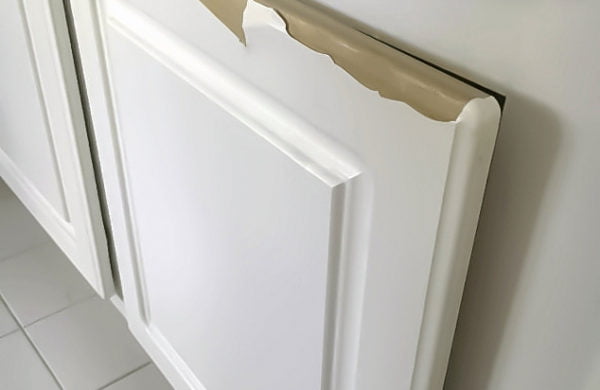
MDF and thermofoil, for example, are more stable in cold temperatures and don’t absorb moisture the same way natural wood does. Picking materials with site and season in mind can help reduce surface cracks, swelling, or separation down the line.
Even if a job has been done with wood products before, sites can change from year to year, depending on how buildings are being heated or if moisture has built up during storage. Keeping the material choice consistent with both the room’s use and the season’s demands can make it easier for installers to get the clean look they want, with less unexpected trouble. Taking a good look at what the customer or the space actually needs is a habit that pays off every single time.
Not Confirming Finish and Edge Details Early
A lot of project delays come from late changes or specs that don’t fully match the design plan. Small details like edges or profiles often get sorted too far down the line, and that can slow production.
- Finish choices should be locked in early to avoid mismatches with panels or trim
- Edge details need to be consistent across different units to avoid site delays or touch-ups
- Waiting on sample approval while production is supposed to be running can back things up quickly
Ordering at the right time with a clear spec sheet helps get the exact finish and edge detail needed without the guesswork. Once you’re past the rough-in stage, it’s too late to rework those details without adding to the timeline.
It’s important to double-check these finish and edging notes before placing a final order, especially on larger or phased projects. If the finish on the cabinet doors doesn’t line up with other visible pieces, it stands out right away, and going back to fix it costs more than just time. Looking closely at edge detail not only impacts looks, but can help prevent future chipping or wear, keeping the finished job in better shape for longer.
Poor Communication Between Design and Manufacturing
It’s easy for mistakes to creep in when drawings, specs, or measurements are unclear. A missed field, a question left unanswered, or an outdated drawing can cause a ripple effect that’s hard to fix later. These are the kind of mistakes that lead to mismatched sizes or wrong profiles getting sent to the site.
- Submitting spec sheets with missing widths, heights, or materials
- Using older versions of a drawing instead of the final layout
- Skipping the check-in process when something in the site plan changes
By the time the build team sees the cabinet doors, the layout might already be in place. If the design hasn’t been updated properly or the quote doesn’t match the final spec, it puts everyone in a tough spot. We’ve seen jobs grind to a stop while trades wait for replacements, something nobody wants once the schedule’s tight.
Open lines of communication between everyone involved in the project make all the difference. Confirming specs and drawings one extra time before production can help spot errors early, while sharing updates between crews keeps everyone prepared if changes come up after measurement. Making clear who’s in charge of sign-off and laying out a simple approval process is often the best fix for these avoidable setbacks.
Ignoring Lead Times and Seasonality
Winter work means tighter windows for shipping, storage, and installation. Custom orders need time in production and often move through multiple stages before ever hitting the truck. Design teams that don’t plan for seasonal slowdowns can find themselves stuck waiting longer than expected.
- Ordering right before a winter job starts can push timelines if final specs aren’t complete
- Unclear install dates make it harder to schedule shop output and delivery
- Some custom options take longer to produce and can’t always be rushed without giving up quality
Cold weather doesn’t just slow site work, it affects how long deliveries take and where parts can be stored. Planning a few weeks ahead, building in lead time, and locking in specs early all help avoid those cold-day standstills. When schedules are tight, every delay feels bigger, and a missing part can hold up way more than just the cabinet door install.
Trying to rush production at the last minute rarely goes well, especially when winter weather brings unpredictable delays to both delivery and installation. Factoring in a small buffer, even just a week or two, can mean the difference between a seamless install and a project that faces frustrating retail-level setbacks.
When the Details Make the Project Work
Even the smallest detail matters when everything needs to go in fast and fit right. That’s why it pays to catch common mistakes before they cause bigger issues on site. We’ve seen how projects can stay on track when measurements are clean, specs are clear, and materials match the layout and site conditions.
Ordering custom cabinet doors in Canada means thinking about more than just the look. It means planning around the jobsite, the season, and the way the parts need to fit into place. When specs, materials, and finishing choices are sorted early, builders can focus on getting the install done right the first time. That keeps timelines on track and gives each project a better chance of wrapping cleanly, even when space or weather throws an extra challenge.
At M+J Woodcrafts, we understand that careful planning is necessary to make sure every project detail is just right before the first cabinet doors arrive onsite. Avoiding common issues like material mismatches or overlooked specs can save valuable time during installation and help prevent unexpected delays. When you’re facing winter deadlines or working with challenging design layouts, starting with the right product options makes all the difference. Read how we approach custom cabinet doors in Canada for projects where precision and timeline are key, and connect with us to discuss your next project’s needs.