Freezing weather adds more pressure to construction projects. Things slow down, schedules shift, and materials often don’t behave the way they’re supposed to. Cabinet doors can be especially tricky in these conditions. Cold temperatures affect how they hold up before, during, and after install.
Some materials react by shrinking, others crack, and a few can warp if left in the wrong spot overnight. That’s why choosing cabinet doors that handle cold is so important. The right choice upfront means fewer problems later. Calls about fit issues or chipping are the last thing anyone wants in the middle of a winter project. Knowing the reasons for temperature-related issues helps everyone avoid common setbacks and keep jobs moving forward.
Why Cold Weather Impacts Materials Differently
Cold air doesn’t treat every material the same. When things freeze, some materials get brittle while others pull tight or shift shape. That kind of movement might not look like much at first, but once install begins, those small changes create gaps or misalignment. A cabinet door that fit the opening in fall might be stiff or slightly out of line by mid-winter if the material can’t handle temperature swings.
This shows up the most in:
- Garages, mudrooms, and other spaces without heating
- Bathroom areas where moisture and temperature both jump up and down
- Projects where doors are stored outside or in unheated spaces too long
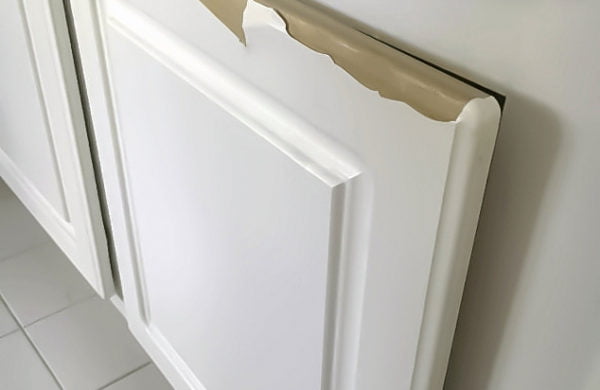
If cabinet doors weren’t made for these conditions, the job slows down. Glues might not hold, edges might snap, and finishes can flake. Almost always, it leads to rework, extra shipping, or delays no one has time for. Resolving problems caused by cold weather after installation takes extra effort and can add frustration for everyone on site.
Best Material Types for Cold-Climate Builds
That’s where smart material choices make a real difference. We don’t work with wood-based cabinet doors because they never hold up well when the air goes dry and the temps drop. Their natural grain pulls and shifts too much in freezing conditions.
We’ve found better results with:
- MDF (medium-density fibreboard), which holds its shape better than natural wood
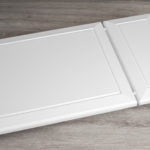
- Thermofoil finishes, which provide a sealed surface that resists moisture and cracking
- Coatings that hold their colour and texture even in shifts from warm to cold
Avoiding anything that’s prone to swelling or cracking in cold conditions helps the install go smoothly. These choices keep finishes even, corners square, and touch-ups to a minimum. Choosing a weather-tough cabinet door from the start lets you focus on fitting and design, not fixes. It also helps protect timelines and reduces pressure on both the design and install teams. The result is a unified appearance throughout the build, even when winter weather isn’t cooperating.
Design Factors That Help Cabinet Doors Last Through Winter
How a door is built, and how it fits into the space, matters just as much as the materials. We’ve noticed certain design choices stand up better when installed in winter conditions.
Things like:
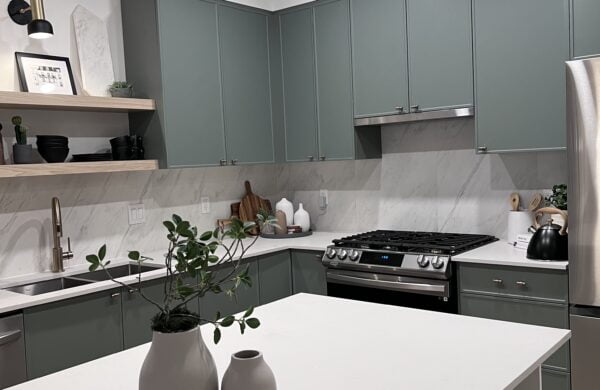
- Flat panel cabinet doors tend to hold up better than raised profiles in the cold
- Leaving space between edge profiles allows for movement during temperature swings
- Avoiding heavy or crowded layouts where heat or cold might build up in spots
Thinking about the space and design early makes a big difference. Planning for heat sources, vent locations, or cold-prone corners keeps pressure off the doors. It’s easier than replacing parts a few weeks later after cracking shows up. Adjusting the plan to fit these points doesn’t take much extra time, but it can protect the finished look of an entire room.
Another factor is the climate in certain parts of a build. Installing in new or remodel sites when insulation isn’t finished yet can change how materials react. Considering sunlight, drafts, and expected use in each area protects both appearance and structure over time. It can be helpful to review layouts and test fit pieces in colder parts of the site before installation.
Building for Wet Zones and Non-Insulated Spaces
Some parts of a build are more exposed to cold and damp at the same time. Entryways, half baths, mudrooms, and seasonal properties all need extra care. In these spots, even the toughest cabinet doors could be at risk if not sealed or finished properly.
We recommend paying attention to:
- Choosing cabinet doors with strong edge banding and finish seals
- Keeping durability in mind for areas that go unheated or unused in winter
- Knowing where freezing air might mix with humidity from things like showers or snow gear
Even if insulation covers most of the build, these high-risk spots often get skipped in planning. A bit of extra care here can prevent cracking, peeling, or loose edges by midwinter. It’s smart to let other trades and installers know where these trouble spots are and why the right cabinet door type matters. Wet and cold working together put more stress on every detail, making the right choice more impactful.
Careful attention to these cold and wet zones can mean the difference between a cabinet door that performs well for years and one needing replacement far too soon. Communicate potential risks with everyone involved in the build, from suppliers to site leads, to prevent misunderstandings and last-minute fixes.
Project Planning Tips for Winter Construction
Winter on its own is already a challenge. Frozen ground, busy supplier schedules, and delays from weather make planning even harder. When it comes to cabinet doors, we’ve found a few choices make winter builds easier.
- Order early to allow time for production and safe delivery
- Store cabinet doors in warm spaces on-site to prevent cold damage
- Always ask how adhesives, coatings, and materials will react in freezing air
Drivers don’t always have heated trucks, and sites don’t always have space near heaters. Knowing what the product can handle before install makes it easier for the whole crew. If questions come up, it’s better to ask early so you’re not adjusting mid-delivery. Tighter schedules leave less time for troubleshooting, so simple, practical steps at the beginning prevent big problems down the line.
Communication here is key, not just between the client and supplier but among all teams on the site. Labelling storage areas, tracking indoor temperatures, and sharing expectations for handoff all contribute to better results at the end of the project. Quick reminders and checklists during pre-install meetings can make sure cabinets are stored and handled the right way every time.
With winter’s unpredictability, small planning steps like these help protect schedule, budget, and reputation. Jobs move faster, and crews keep focused on finishing well rather than redoing work that weather damaged.
Making Cold-Weather Builds Work with the Right Choices
When the forecast drops below zero, every part of the build needs to be ready to handle the change. Cabinet doors that look great but can’t take the cold won’t hold up for long. Yet when you pick the right materials and match them to the space and season, the results last.
We’ve found the best builders and designers plan ahead, ask the right questions, and think about install as much as product. From winter storage to room layout, every small choice adds up to fewer delays, tighter installs, and happy crews on site, even in freezing conditions.
At M+J Woodcrafts, we understand that winter conditions require smarter material choices and more strategic planning on the job site. Builders who choose the right cabinet doors from the beginning can avoid unnecessary setbacks and keep schedules on track. Our products are designed to perform when temperatures dip so your projects stay on course, even in challenging environments. For cold-climate builds demanding materials that stand up to the season, we’re ready to help, contact us today to get started.