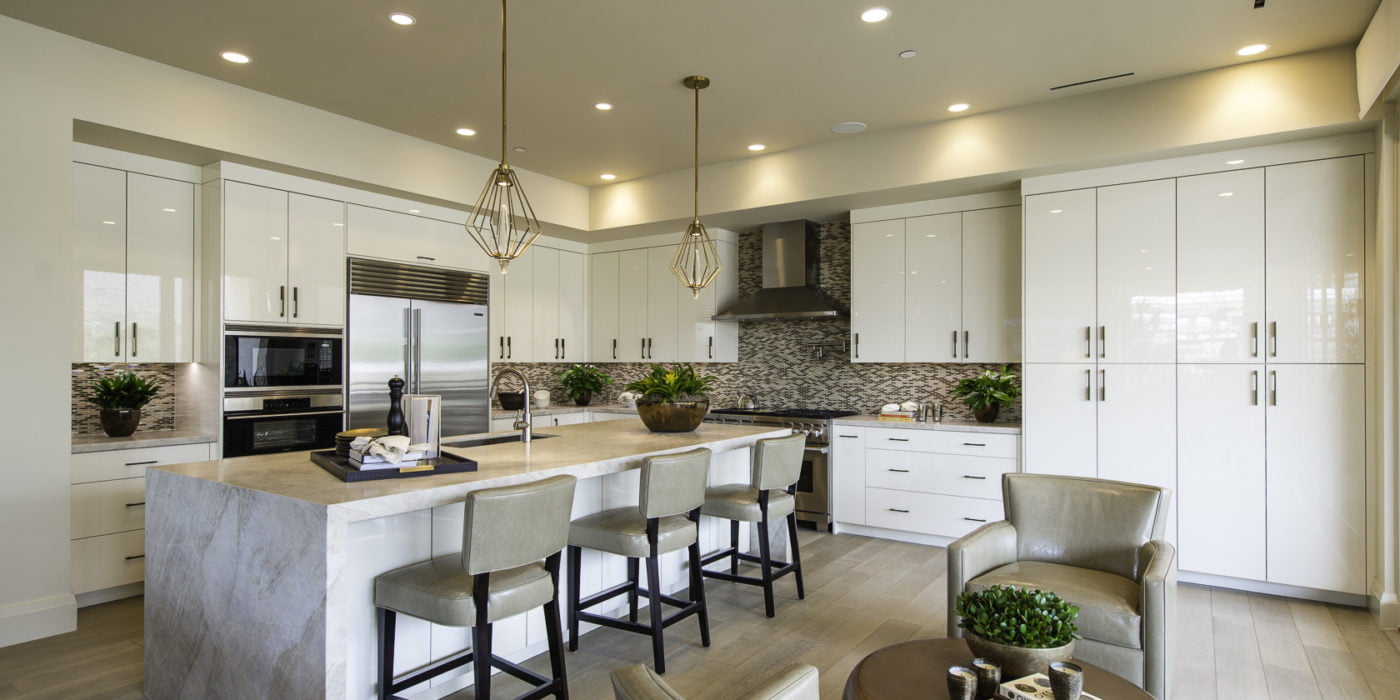
acrylic faced kitchen cabinets

Why Designers Choose Solid Colour Cabinet Doors for Modern Kitchens

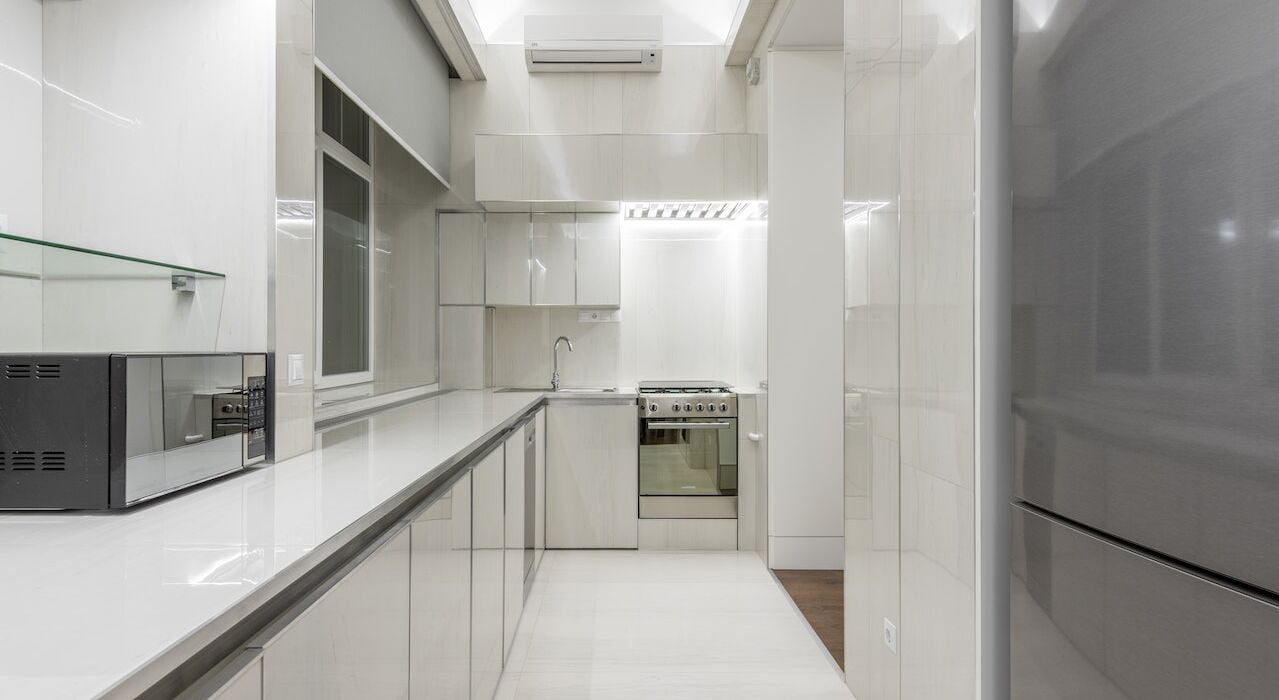
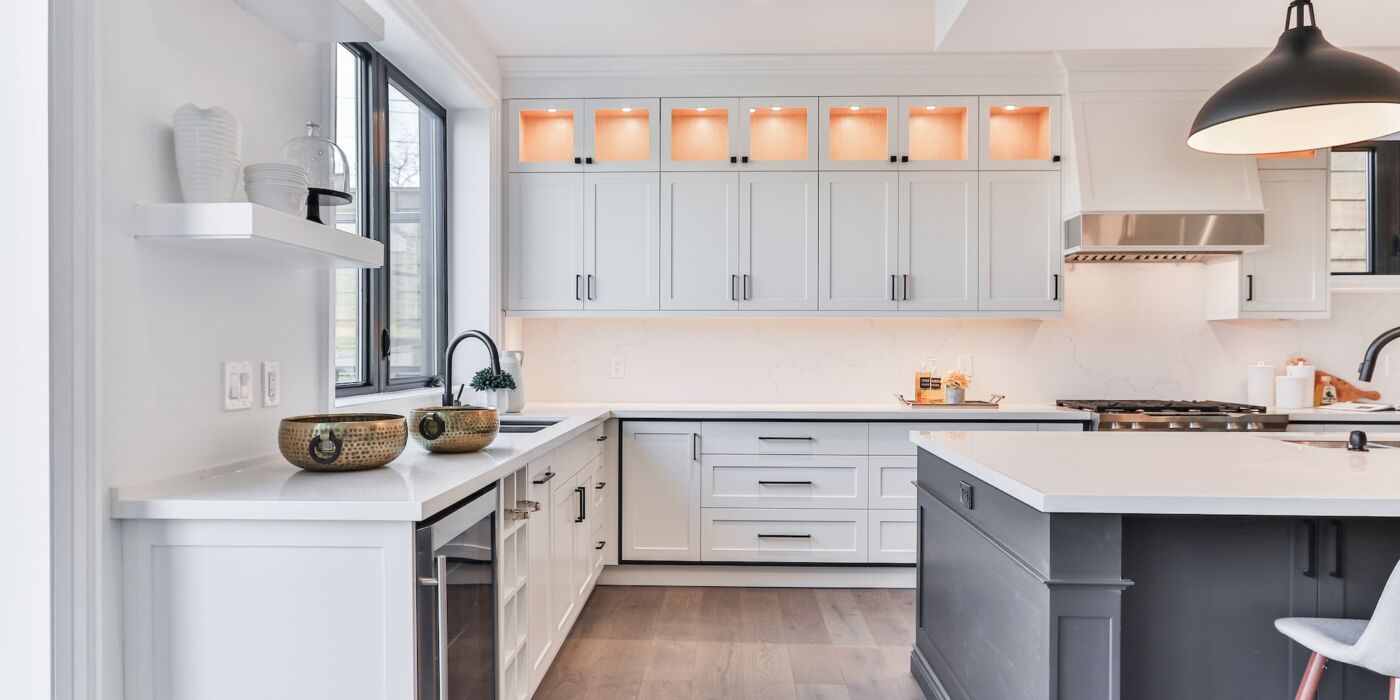
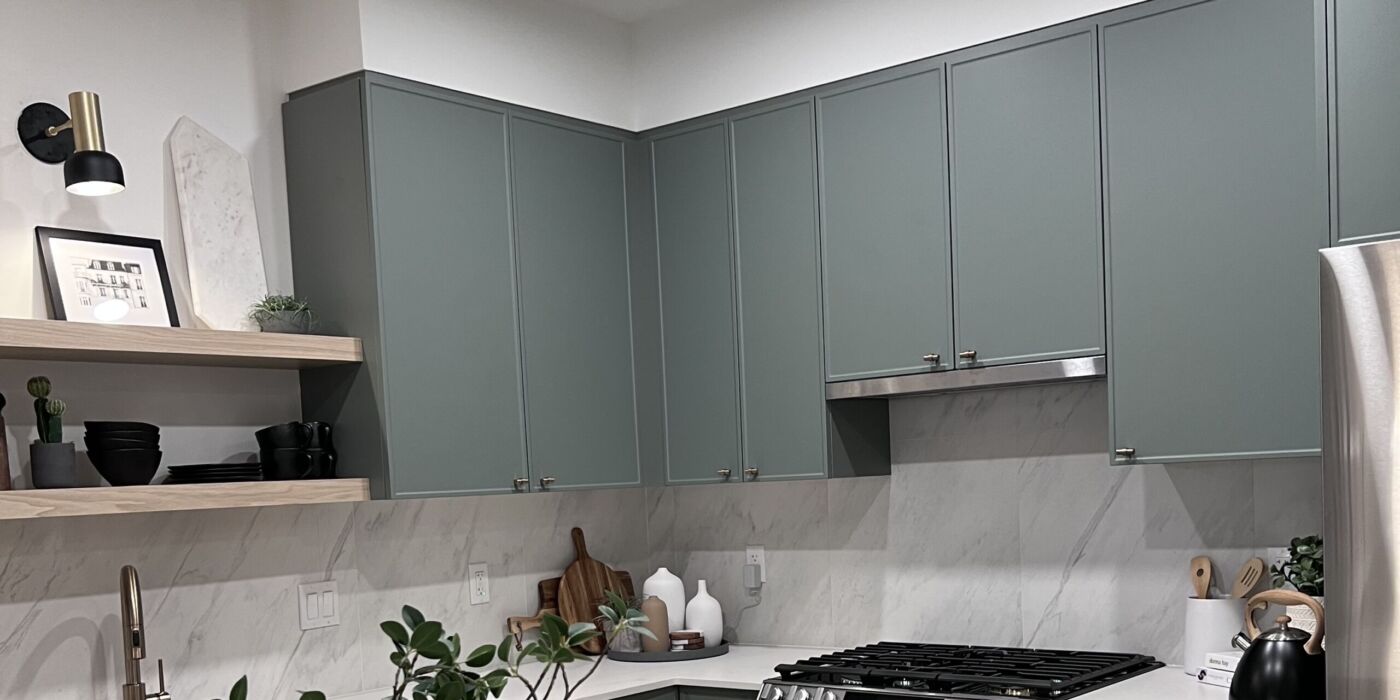
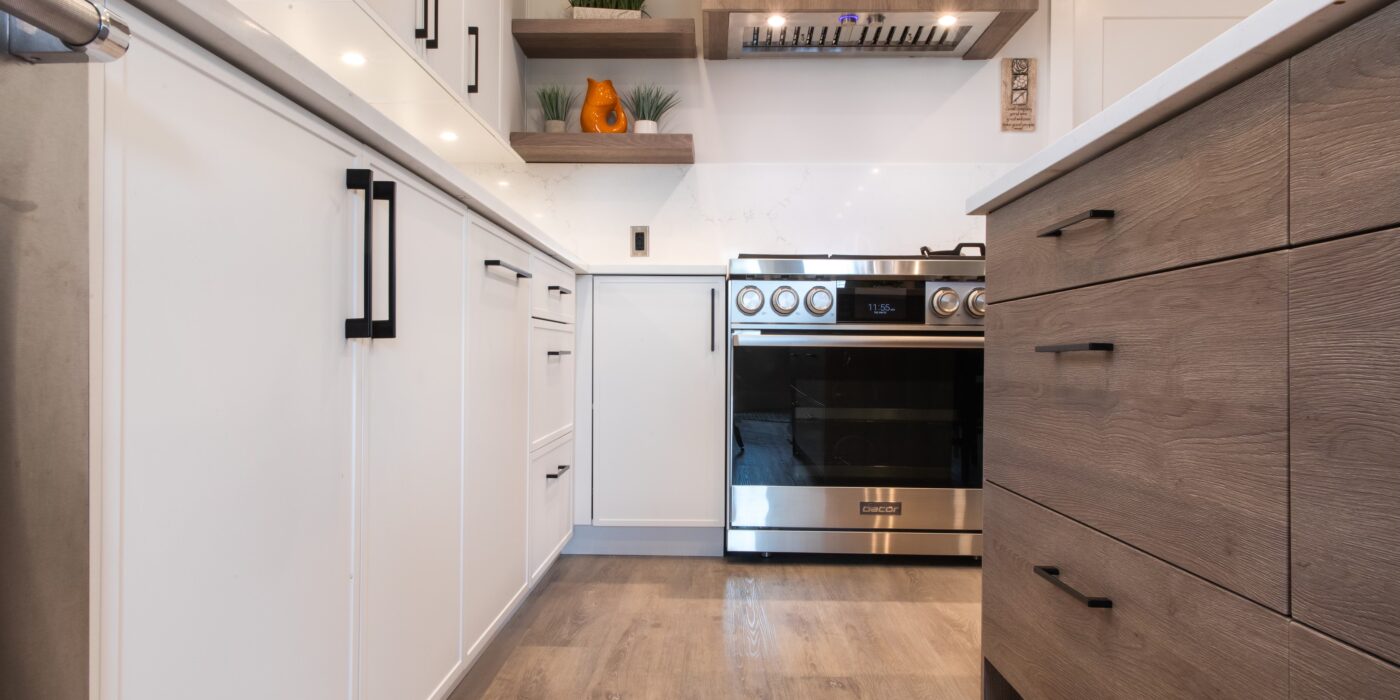
Solid colour cabinet doors remain a popular choice for modern kitchens because they create visual balance, support clean design lines, and work well across a wide range of layouts. Whether the overall style leans contemporary, industrial, minimalist, or transitional, solid colour cabinet doors offer a refined appearance that complements the surrounding design rather than competing with it.

As design trends continue to favour brighter, more open spaces, solid colour finishes help create a fresh, cohesive look without adding unnecessary visual complexity. Their simplicity allows designers to focus on layout, lighting, materials, and architectural details while maintaining a consistent and polished aesthetic throughout the space.

Choosing the Right Cabinet Door Colour for Flow and Function

Colour selection influences how a kitchen feels just as much as the layout itself. With solid colour cabinet doors, the finish becomes a key element in creating harmony, contrast, and visual flow throughout the room.

  • Neutral colours pair well with natural materials such as stone, wood accents, and metal finishes.
  • Darker tones create contrast and can add depth to contemporary spaces.
  • Matte finishes help soften reflections in kitchens with abundant natural light.
  • Lighter colours can make smaller kitchens feel more open and inviting.

When selecting cabinet door colours, it is important to consider the broader design palette, including flooring, countertops, wall colours, and lighting. A well-planned colour strategy helps create a cohesive look that remains relevant for years to come.

Where Solid Colour Cabinet Doors Fit in Modern Layouts

Solid colour cabinet doors work particularly well in kitchens that prioritize clean lines and uncluttered design. Their simple appearance allows the overall layout to take centre stage while supporting a calm and organized environment.

  • Open-concept kitchens benefit from consistent finishes that connect adjoining spaces.
  • Smaller kitchens can use a single colour palette to create a more spacious appearance.
  • Multi-unit developments often use solid colour cabinet doors to maintain design consistency across multiple suites.
  • Contemporary interiors frequently pair solid colours with minimalist hardware and streamlined profiles.

This versatility is one of the reasons solid colour cabinet doors continue to be a preferred choice for designers working across residential, commercial, and multi-family projects.

Why Material Selection Matters with Solid Colour Finishes

Material selection plays an important role in how solid colour cabinet doors perform over time. Because solid finishes create a uniform appearance, consistency across every door and panel becomes especially important.

Laminate and 3D laminate cabinet doors are popular choices because they offer finish consistency, durability, and ease of maintenance while supporting modern design aesthetics. Their surfaces are designed to withstand daily use while maintaining a clean and consistent appearance.

  • Durable finishes help maintain colour consistency over time.
  • Easy-to-clean surfaces support long-term performance in busy environments.
  • Moisture-resistant materials contribute to reliable everyday use.
  • Consistent manufacturing helps create uniform results across larger projects.

Consistency is especially important with solid colour cabinet doors because even small variations can become noticeable across larger installations. Quality manufacturing processes help maintain colour matching, finish consistency, and visual uniformity across multiple doors, panels, and project phases.

Creating Contrast and Depth Without Overdesign

Modern kitchens do not need elaborate detailing to create visual interest. Solid colour cabinet doors can be used to introduce contrast and dimension while maintaining a clean overall appearance.

  • Profile selection can create subtle shadow lines and depth.
  • Open shelving can introduce complementary materials and textures.
  • Contrasting countertops and wall finishes add visual interest without overwhelming the space.
  • Consistent cabinet door finishes help anchor the overall design.

This approach creates kitchens that feel intentional, sophisticated, and balanced while avoiding unnecessary complexity.

Updating a Kitchen Without a Full Renovation

One of the advantages of solid colour cabinet doors is their ability to dramatically change the appearance of a kitchen without requiring a complete redesign.

Replacing cabinet doors while maintaining existing cabinet structures can refresh the look of a space while preserving much of the original layout. This approach allows designers, builders, and homeowners to modernize kitchens through updated finishes, colours, and profiles while maintaining project efficiency.

For renovation projects, solid colour cabinet doors provide an effective way to create a modern aesthetic without the cost and disruption of a full kitchen replacement.

Why Solid Colour Cabinet Doors Offer Lasting Design Flexibility

Design trends continue to evolve, but solid colour cabinet doors remain one of the most adaptable options available.

  • They complement a wide variety of architectural styles.
  • They work with changing lighting, hardware, and décor selections.
  • They provide consistency across phased projects and multi-unit developments.
  • They support both contemporary and transitional design approaches.

Their versatility allows designers and project teams to create spaces that feel current today while remaining adaptable for future updates.

A Modern Solution for Clean, Consistent Design

Solid colour cabinet doors continue to be a preferred choice for designers because they combine simplicity, versatility, and long-term performance. Their ability to support clean aesthetics, consistent finishes, and flexible design strategies makes them well suited for modern kitchens of all sizes.

At M+J Woodcrafts, our solid colour cabinet doors are manufactured with a focus on finish consistency, precision, and design flexibility. Whether you’re designing a custom kitchen, specifying products for a multi-unit development, or updating an existing space, our team can help you find the right solution. Explore our cabinet door collections or contact us to learn more about our solid colour and 3D laminate cabinet door options.

Kitchen Cabinet Doors

Everything You Can Do With Replacement Kitchen Cabinet Doors

Spring tends to be a busy season for design and build teams. With more daylight, better weather, and tighter timelines, everyone looks for ways to move faster without cutting corners. For us in cabinet door manufacturing, one of the most helpful tools this time of year is replacement kitchen cabinet doors. They let us refresh a space without changing the layout, which helps keep things moving and frees up options around colour, finish, and texture.

From small update projects to full-scale remodels, swapping cabinet doors is a smart way to give a space a new look while avoiding disruption to the structure. It’s a high-impact, low-interference move that makes sense for tight spring schedules and evolving client needs.

Updating Layouts Without Changing Structure

We see a lot of builders and designers focus on speed and flexibility during seasonal changeovers. With replacement cabinet doors, it’s easy to shift the feel of a space without needing demolition or major redesigns. For many projects, everything behind the cabinet doors is still useful. It’s just the surface that needs a refresh.

  • Designers often repurpose existing cabinet boxes while updating the doors to suit a new look or better match updated spaces nearby.
  • For remodels or tenancy turnovers, this method helps maintain the current footprint and speeds up delivery by avoiding deeper construction.
  • Colour, profile, and grain can all be adjusted through new cabinet doors while sticking to the original layout behind the scenes.

It’s all about controlling visual impact without taking on unnecessary rebuilds. This creates flexibility across different job scopes.

Shifting to Low-Maintenance Finishes

As spring rolls in, shared-use spaces pick up in activity. That’s when we see more requests for easy-care surfaces that hold up day to day. Many finished jobs from past years start showing wear, especially if older or less durable materials were used.

  • Laminate cabinet doors are the most requested replacement option when it comes to resisting moisture and cleaning chemicals.
  • In vacation homes or communal kitchens, we often see the need for strong finishes that don’t need much touch-up or repair down the road.
  • Spring is a common time to move away from high-maintenance materials and refresh with new, low-effort surfaces.

These changes are about performance as much as looks. When a finish holds up better during day-to-day tasks, it makes rooms more functional and easier to keep clean.

Standardizing Across Multi-Unit Designs

When working on multi-family properties or units built at scale, replacement cabinet doors give us a way to keep everything looking seamless without a full rebuild. It’s a way to bring consistency to design and materials while controlling timing and volume.

  • Designers often repeat the same cabinet door profile across several units, which helps spaces feel cohesive from one room to the next.
  • Only replacing the outer face of the cabinet saves time and cuts back on waste from removing or rebuilding steeper layers.
  • Laminate finishes offer highly consistent colour and edge profiles, which helps us keep a uniform look from one end of a build to the other.

It’s a practical choice that supports visual consistency, quicker turnaround, and less interruption overall.

Correcting Past Finish Issues Quickly

With more light in springtime, older finishes start to stand out. We’ve worked on projects where fading, warping, or discontinued finishes made a space feel dated right as client traffic started to pick up. Fixing that fast matters.

  • A quick cabinet door replacement can clean up visible surfaces without affecting the full structure.
  • If past finishes didn’t last or are no longer available, updates get the design back on track without pulling out all the cabinetry.
  • Especially in commercial spaces or remodel refreshes, it’s one of the fastest ways to bring a clean, finished look back into play.

We often recommend a uniform finish across any replaced doors here, helping everything line up again and avoid material mismatches.

Matching Seasonal Designs Without a Full Renovation

Spring and summer bring their own style cues. Brighter spaces, lighter tones, and more natural textures get more attention during these months. We see designers choose replacement options that reflect those seasonal preferences without tying up the jobsite too long.

  • Swapping the cabinet doors readjusts the tone of a room right away, with no structural changes or major downtime.
  • Changes made at the outer level help model units feel new while letting the rest of the fixtures stay where they are.
  • Choosing matte finishes or cooler shades gives a calm, easy feel that connects well to both spring and warm weather styling.

This type of refresh creates fast results, especially when deadlines are tight or future plans make larger renovation unnecessary.

Building Flexibility Into Spring Projects

Every spring job brings some kind of surprise. A delay in flooring, a switch in kitchen layout plans, or a client revision can shift where things stand. Using replacement cabinet doors allows us to stay ready for those tweaks without falling behind.

  • When designs aren’t fully locked in, starting with the cabinet structure and layering finish options later keeps teams working.
  • Replacement options can adjust with late-stage updates in colour or pattern without pausing other trades.
  • Matching a consistent door profile across functions (kitchens, laundry rooms, entry storage) keeps things looking aligned.

This flexibility matters when schedules tighten and when project teams need workarounds that still look polished in the final finish.

Bringing Fresh Finish Options Into Focus

Spring builds move fast. Materials need to be ready, timelines need to stay clean, and finishes have to meet both client expectations and builder standards. With replacement kitchen cabinet doors, we’ve found that a simple surface update brings strong results without adding disruption.

For anything from unit upgrades to seasonal refreshes, this is a practical way to get the look right while staying flexible with the structure underneath. It keeps work flowing, spaces clean, and timelines in shape heading into peak build months.

At M+J Woodcrafts, we know how fast spring timelines can move, and how important it is to make smart material choices that support both design intent and build efficiency. When projects call for finish updates without a full tear-out, we often guide designers and builders toward replacement kitchen cabinet doors as a practical option. They help keep the look current, meet performance standards, and allow for last-minute shifts without slowing work down. Whether you are planning a refresh or managing schedules across unit builds, we’re here to help. Send us a note to talk through your next project.

kitchen cabinet doors surrey

Who Chooses Laminate Door Options in Canada for Spring Builds

Spring build season always seems to arrive faster than expected. Once the snow clears and daylight stretches a bit longer, sites are opening up and progress moves quickly. But with that pace comes pressure. Schedules start to tighten, and materials need to be ready to perform.

One choice seen more often from builders and designers during spring planning is choosing a laminate door in Canada jobs. There’s a good reason for it. Laminate performs well when conditions vary, and spring brings plenty of that. From freezing mornings to damp, warmer afternoons, laminate cabinet doors hold steady and keep things predictable across the site.

Who Usually Chooses Laminate Cabinet Doors in Spring

Projects launching in early spring often have unique needs. Whether it’s a vacation home, a quick-turn multi-unit, or an early commercial build, stability matters.

  • Builders taking on lakefront or seasonal properties often deal with mixed weather, sun one day, snow the next. Laminate holds up better than other materials during those changes.
  • Designers working on large developments or multi-family builds need cabinet doors that stay consistent between units. Laminate offers a dependable look without shift or shade problems.
  • Architects who want to lock in layouts before summer hits generally look for choices that won’t create delays in the field. Laminate avoids many common issues where temperature or humidity can interfere with install.

By going with laminate early in the season, these professionals cut down on small problems that add up when the schedule gets tight.

What Makes Laminate a Spring-Friendly Cabinet Door Option

Spring weather is unpredictable in most of Canada. With cold nights, thawing ground, and rising humidity, some materials don’t sit well for long. Laminate handles this in ways that make a builder’s job easier.

  • Laminate won’t warp or shift like other materials might when temps bounce from cold to warm quickly. That kind of movement causes gaps and fit concerns that slow teams down.
  • Moisture is another issue in spring. Whether it’s rain, wet storage areas, or snow tracked into a site, some materials absorb and swell. Laminate finishes stay sealed and solid.
  • Touch-ups are part of any install, but fewer is always better. Laminate cabinet doors come in with clean lines that are easier to install without the extra work after delivery.

This reliability in changing conditions makes laminate a smart spring pick when sites can’t control the weather.

Canadian Build Conditions That Drive This Choice

Every year around April and May, build sites across Canada deal with unique spring setbacks. Deliveries come early but snow piles might still be melting. Space heaters might be running, but corners of the room remain near freezing. When conditions vary this much, material choices matter more.

  • Site temperatures swing between cold and warm throughout the day. Laminate doesn’t shift with those swings the way other materials might.
  • Entry points and ground access can stay wet or slick well into May. Laminate holds up better during loading, unloading, and early site handling.
  • Delivery schedules start to move fast in spring. If cabinet doors sit out too long during transitions, some poorly finished options show wear. Laminate is easier to manage with less risk during short-term storage.

Planning for these spikes in temperature and damp conditions keeps things moving when more projects are starting than finishing.

What Designers Like About Laminate for Spring Projects

Spring builds aren’t just about speed. There’s also an emphasis on layouts that feel clean, modern, and suited for the early season light. Laminate designs tend to pair well with that vibe.

  • Colours stay even across all pieces. So in natural morning or late-day light, the finish looks just how the design intended.
  • Simple lines give laminate cabinet doors a modern feel that fits small builds and townhome layouts, common in spring development cycles.
  • Most laminate profiles blend easily into seasonal palettes. From soft earth tones to bright whites, they don’t overpower the space.

When designers are choosing materials for models or early phases of a property, laminate keeps the look fresh and easy to reproduce across units.

Why Builders Ask for Laminate When Timelines Matter

Spring doesn’t just mean fresh plans. It means faster timelines. Builders aiming for a May handoff or early summer move-in have little room for delay. That’s where laminate makes an impact that’s easy to see on a worksite.

  • These cabinet doors arrive ready to go and are built for fast installs. The less time spent adjusting or sanding, the better.
  • If doors are stored properly before install, there’s no extra prep needed. Builders don’t have to wrestle with shifting dimensions or warped finishes.
  • Cleanup moves faster too. Laminate can be wiped clean after install, no extra finishing work needed once the build is wrapped.

When the weather warms and trades are jumping between jobs, it helps to have one piece that’s easy to check off the list.

Getting Cabinet Door Results That Work Past Spring

Spring leads into one of the busiest build seasons of the year. Choosing a material that bridges the spring thaw and the summer heat helps avoid the stress of dealing with callbacks or material issues later on.

Laminate cabinet doors hold up through every phase. From unexpected site delays to last-minute layout changes, they stay reliable all the way through the job. When paired with simple layouts and spring-ready design, they carry well into the next season.

Choosing steady, good-looking materials from the start means fewer issues and builds that hold their value over time. Spring is a good time to think ahead, and laminate helps get there without added effort.

Spring builds demand reliable materials that adapt to changing site conditions, and our laminate cabinet doors deliver just that. We partner with builders and designers across Canada who count on consistent finish, clean lines, and lasting durability year after year. To discover what sets a laminate door in Canada apart for spring and every season, connect with M+J Woodcrafts and let’s talk about your next project.

Commercial Kitchen Design

Updating Kitchen Cupboard Doors for Open Layout Homes

Open layout homes are designed to feel spacious, bright, and easy to navigate. When the kitchen seamlessly flows into living or dining areas, every detail must contribute to a cohesive and polished look. One effective way to achieve this is by selecting the appropriate cabinet doors. In spaces with fewer walls and shared layouts, updating or upgrading kitchen cupboard doors can significantly enhance the overall aesthetic. It’s not just about the kitchen itself; it’s about ensuring all finishes harmonize throughout the home.

Spring is an ideal time to consider these updates. As the weather warms, construction projects accelerate, schedules overlap, and proactive planning becomes essential to keep everything on track. Whether undertaking a full renovation or simply refreshing certain elements, choosing the right cabinet doors is crucial to meet the demands of open layout homes. A kitchen is often at the heart of the house, so any change to its appearance can influence the entire living area. The right cabinet door choice helps tie together design elements in adjoining rooms and helps everything feel unified.

Matching Door Styles to Open Layouts

In connected spaces, simplicity and uniformity in design are key. Slab and shaker cabinet door styles are particularly well-suited for open layouts, offering structure without unnecessary complexity and maintaining consistency from kitchen areas to adjacent spaces.

  • Slab Cabinet Doors: These doors feature a smooth, flat surface, making them ideal for large, open areas where uninterrupted design lines help the space appear more expansive. Their minimalistic design also reduces visual clutter and provides a smooth transition between spaces. In addition, slab doors can make a kitchen feel more modern and streamlined, perfectly matching the open aesthetic many homeowners want in common areas.
  • Shaker Cabinet Doors: With subtle line details, shaker doors add a touch of visual interest without overwhelming the space, providing a balanced aesthetic. They offer a classic look that works well with both traditional and contemporary styles, making them a flexible choice for designs that might need to evolve as the client’s needs change. Shaker cabinet doors can also help bridge the gap between spaces with different uses, keeping the overall design connected.

At M+J Woodcrafts, we offer a range of customizable cabinet door designs, including modern and contemporary styles that align with the minimalist aesthetic ideal for open layouts.

Picking the Right Materials for Spring Projects

Spring projects often come with tight timelines and variable site conditions. Selecting materials that can withstand these challenges is essential, especially in expansive open spaces that require consistent quality.

We recommend materials like laminate and thermofoil for their durability and stability:

  • Laminate: Known for its resilience, laminate maintains its shape even under fluctuating conditions, reducing the risk of warping during spring’s unpredictable weather. This makes it a great choice for open layouts, where one section of the home may experience higher humidity or more direct sunlight than another.
  • Thermofoil: Featuring a sealed surface, thermofoil effectively resists moisture, making it suitable for environments that may not yet have stable indoor conditions. This helps cabinet doors hold up and look great for longer, and it can also make cleaning much easier, which is especially convenient for high-traffic spaces.

In addition to being practical, these materials offer a variety of finish options. Laminate and thermofoil can mimic wood grain, matte, and high-gloss effects, so you can coordinate easily with other finishes in the home. Their toughness also means they require less maintenance, reducing the likelihood of replacement or repair due to everyday wear and tear.

M+J Woodcrafts specializes in crafting custom cabinet doors with various material options, including thermofoil and high-gloss panels, allowing for unique designs that combine durability with aesthetic appeal.

Choosing Colours That Flow With the Rest of the Space

In open layouts, the kitchen is visible from multiple areas, making cohesive colour choices essential to maintain a harmonious flow throughout the home.

  • Neutral Tones: Soft whites, natural hues, and muted greys are effective in reflecting light and creating a sense of openness, ensuring the kitchen complements adjoining spaces. By keeping colours subtle, you let architectural features and decor stand out, while still making the space feel larger.
  • Matte Finishes: These finishes are gaining popularity for their ability to minimize glare and fingerprints, offering a practical and stylish solution that pairs well with neutral palettes. Matte surfaces also blend nicely with both modern and traditional decor, helping the kitchen cabinet doors look fresh and clean through regular use.

Selecting the right finish allows you to balance light and visual weight. Colours in open layouts should support the atmosphere you want to create, whether that means bright and energetic or relaxed and welcoming. When working with extensive sightlines typical of open plans, ensure that your cabinet door colour works with wall paint, floors, and even fabric choices in neighbouring rooms. By selecting finishes that align with the home’s overall colour scheme, you can achieve a unified and calming environment.

Planning Install Timing Within Bigger Renovations

Spring renovations often involve multiple trades working simultaneously, making strategic scheduling crucial to avoid delays and ensure quality.

  • Coordinate with Other Trades: Align cabinet door delivery and installation with flooring, wall finishes, and appliance schedules to prevent conflicts and protect materials. When different parts of the job overlap, a little extra planning helps keep materials safe and projects on schedule.
  • Optimal Storage Conditions: Store cabinet doors in dry, level areas to prevent damage from humidity or uneven surfaces, ensuring they remain in pristine condition until installation. Quick but careful setup at the site allows for flexible timing even if other trades are delayed. Make sure there is a designated spot to keep finished cabinet doors away from dust, moisture, and active work zones.

Renovations can quickly get complicated, especially when multiple spaces are upgraded at once. Thinking ahead about sequencing and storage reduces surprises and helps everything fit smoothly into the final design. Effective planning helps maintain project momentum and ensures that all elements come together seamlessly in open layout homes.

Design Considerations for Multiple-Use Areas

In open homes, the kitchen often extends into dining and living areas, requiring thoughtful design to ensure consistency and functionality.

  • Consistent Batch Orders: Placing a single order for all cabinet doors ensures uniformity in finish and style, preventing discrepancies that can disrupt the cohesive look. This is especially important when open areas flow directly from one to another, such as when the kitchen shares wall space with entertainment or work areas.
  • Standardized Edge Profiles: Using consistent edge profiles across different areas facilitates smoother transitions and simplifies the installation process. An edge profile that works well for kitchen cabinets can also serve as a connecting element for nearby built-ins, pantries, or storage nooks.
  • Integrated Storage Solutions: Incorporating matching cabinet doors in shared storage spaces enhances the unified appearance and provides practical benefits. Built-in benches, entertainment units, or hallway storage areas benefit from the same door style, supporting a streamlined and orderly visual flow.

Open layouts sometimes include custom storage that blends with cabinetry throughout the living and dining rooms. When these spaces use the same style and finish on cabinet doors, the entire area feels purposefully designed. By focusing on consistency, even a wide and open room maintains a sense of order and warmth.

M+J Woodcrafts offers an extensive collection of customizable cabinet door designs and colours, providing options that cater to both modern and classic aesthetics, ensuring your open layout home achieves a harmonious and functional design.

Ready to transform your open layout home with the perfect cabinet door solutions? Discover how M+J Woodcrafts’ exquisite range of custom cabinet doors can redefine your space, matching the aesthetics and functionality your home deserves. With our expert craftsmanship, you can ensure that each element ties seamlessly into your design vision. Let us help you turn your renovation dreams into reality with stunning, durable doors that elevate your home’s style and harmony.

Kitchen Cabinet Doors

Spring Trends B2B Clients Want in Kitchen Cabinets Suppliers

Spring brings a fresh push in the building cycle, with projects moving faster and deadlines stacking up. This season, designers, builders, and architects rely on kitchen cabinet suppliers who can keep up with shifting schedules, wet job sites, and quick finish changes. Clear communication and flexible planning matter more than ever, especially when the weather turns from cold to mild in a matter of days. Spring is a window that does not stay open long, and making smart choices early on keeps everything moving. From material picks to finish styles, we are seeing strong patterns in what B2B clients expect right now.

Material Preferences That Match Moisture and Temperature Changes

When the weather starts warming up, spring does not just mean sunshine. It also means surprise rain and up-and-down humidity that hits both indoor and outdoor work. Materials need to take that into account.

We avoid offering wood cabinet doors since they tend to swell or warp too easily in damp conditions. Materials like laminate and thermofoil are better suited for this time of year. They stay stable, hold their shape, and keep their surface clean through shifting job site conditions.

  • Thermofoil works well for spring because it has a sealed face that keeps moisture out.
  • Laminate stays flat and smooth, even when air temps change from morning to night.
  • Both types give a clean look without needing extra layers of protection before install.

When builders or designers ask what holds up in spring, we point them toward these solutions that match the way spring actually feels on-site.

Simple Styles That Speed Up Install Times

Clean cabinet door styles are more than just a design choice. In spring, they are part of a faster workflow. When install crews are short on time, every extra groove or edge can slow down progress.

We have seen strong interest in slab styles and easy-to-handle shaker designs. They do not just cut production time, they help trim install hours too.

  • Slab cabinet doors are quick to produce, match well with modern layouts, and stay consistent across many units.
  • Shaker options give a subtle line detail without adding complexity, and they are easy to line up across rooms.
  • Using the same style across kitchens, baths, and storage walls means fewer layout redraws and edge adjustments on site.

Keeping edge profiles simple and repeatable helps keep things smooth when the pressure is on to deliver.

Spring Colour Finishes That Clients Are Asking For

The right finish can make a space feel ready for spring without looking flashy. This season, the focus is on soft looks, not bold trends. We are seeing designers lean into light wood-tone laminates and clean white shades that reflect more light and bring in a calm, tidy feel.

Matte finishes are also picking up speed. They look modern, hide fingerprints better than gloss, and pair well with metal or neutral handles. Soft greys, beiges, and muted blues show up often in these combos.

To keep things looking tight across several units or staggered delivery windows, consistency matters.

  • Use neutral tones that are easier to reproduce if orders split over time.
  • Keep finish samples saved per project so later batches do not drift.
  • Stick with colours that hold up well in warehouse staging and install lighting.

This helps keep the whole build looking planned and polished, even when projects shift or split across phases.

Delivery Timing and Coordination That Works With On-Site Conditions

Spring weather comes with challenges on the ground. Delivery sites can be soft, backyards can turn muddy, and access points change after rain. That makes delivery planning just as important as fabrication.

Cabinet doors cannot sit in boxes too early if staging zones are not ready. We plan around weather predictions and give clients a heads-up on dry handoff tips.

  • Watch for jobs where slab paths or entry pads are still drying.
  • Use covered transport and sealed wrap to avoid direct contact with moisture.
  • Hold off unloading if staging rooms are still damp or below install temps.

When kitchen cabinet suppliers help manage these details, it keeps site damage low and install crews moving. A missed delivery window in spring can back up more than just the cabinet doors. It can affect every trade that follows close behind.

What Builders and Designers Should Expect From Suppliers This Season

Quick support matters during the spring rush. Schedules can shift without warning when one trade hits a delay or a supplier runs late. Being ready to pivot is something we factor into how our shop runs.

This season, builders and designers should expect more back-and-forth than usual. No two jobs move the same, and that is even truer when weather steps in.

  • Suppliers need to stay in touch as timelines change.
  • Material options should be simple to repeat or swap quickly if styles get adjusted mid-way.
  • Finishes and edge profiles should stay consistent batch to batch.

When small problems show up on site, fast fixes and repeatable specs can keep the schedule steady. It keeps the pressure down at install and the phone from ringing too much for touch-ups later.

Staying Ahead This Spring with Better Cabinet Door Planning

We know spring demands faster moves and tighter coordination across every trade on site. That makes early cabinet door choices more important this time of year. When timelines are packed, the last thing builders want is to stop progress over fixable details.

There is no way to fully control the weather or project changes, but good planning takes care of most delays before they hit. Choosing strong materials, simple styles, and flexible finishes gives each project more breathing room.

Between pickup, delivery, and install, spring builds only stay on track when suppliers respond quickly and work with the site instead of just around it. Knowing what to expect from spring keeps everything moving smoothly from one step to the next.

At M+J Woodcrafts, we understand how important it is to keep spring projects moving smoothly while maintaining quality. Reliable materials, prompt turnarounds, and clear delivery coordination help keep your schedule on track when jobs are lined up one after another. Builders and designers seeking dependable kitchen cabinet suppliers rely on our ready-to-install products that stand up to tough site conditions. Let us help you stay on pace with your spring builds, contact us today to get started.

Cabinet Door

How Door Suppliers in Vancouver Manage Spring Building Projects

Spring builds move fast, especially in Vancouver, where weather shifts from dry one day to humid the next. Construction teams have to plan carefully to stay on track. Materials arrive tight to schedule, and every trade depends on the one before to finish on time. That’s where strong partnerships make a real difference.

Reliable cabinet door manufacturing keeps things moving when timelines get tight. We’ve seen how door suppliers in Vancouver support spring builds by working ahead, staying flexible, and choosing materials that hold up under quick weather changes. Getting it right early helps avoid issues later when teams are racing toward handoff and install dates.

Planning Around Spring Timelines

Spring brings a lot of promise, but it also brings a narrow work window. Damp ground delays early work like framing or foundation, and moisture in the air can slow things down inside too. When that happens, delivery deadlines for things like cabinet doors need extra attention.

We plan fabrication schedules early so we’re not caught waiting when install days come up. That means:

  • Staying in close contact with build timelines from the start
  • Adjusting shop workloads to match site progress or delays
  • Working with dependable carriers who understand construction timing

Coordinating with other trades matters here too. When cabinets are ready right after drywall finishes, the next trades don’t get held up. That handoff keeps projects rolling smoothly and helps builders avoid schedule stacking in the final weeks.

Material Choices That Work in Damp Conditions

Vancouver’s spring season is a mix of cool air and damp weather. That means not every material will hold up the same way. Swelling, peeling, or warping in cabinet doors can show up fast if the job site isn’t dry enough yet.

That’s why we focus on materials like:

  • Thermofoil, which gives a sealed surface and resists swelling
  • Laminate, which stands up well to changes in humidity and temperature
  • Edgebanding and profiles that stay flat and strong under pressure

Choosing the right materials at the start lowers the chance of last-minute fixes. Cabinet door surfaces stay clean, look sharp, and don’t need extra protection during install. That keeps projects from slowing down due to weather issues.

Adapting Designs for Fast Turnarounds

Speed matters when you’re working across several units or custom spaces. Instead of adding complexity to cabinet doors that get delayed or need rework onsite, we focus on keeping the design simple and clean.

Some styles work better in these cases:

  • Slab doors move fast in production and match well with modern layouts
  • Shaker profiles add just enough shape to stand out without slowing things down
  • Keeping edge profiles uniform across a build makes install quicker

When the same style runs across kitchens, storage walls, and other shared areas, install times drop. Crews get used to the details faster, and there’s less edge trimming or part switching to deal with. Even better, the final space looks intentional and well-planned from room to room.

Local Expertise and Spring On-Site Conditions

Working in Vancouver during spring takes more than a good product; it takes knowing what to expect from the site. Not all job sites start dry, and tight delivery areas can become a real obstacle after a wet week of rain.

We keep a few things in mind when planning for delivery and storage:

  • Watch for soft ground or limited access points at build sites
  • Use protected delivery wrap to prevent surface damage or swelling
  • Avoid unloading when staging areas are humid or cold

Matching delivery timing to what the site can handle helps avoid handling damage. Crews aren’t forced to move product twice, and we’re not left fixing door surfaces that were exposed too early. When we know the area, we can guide better drop timing and even prep storage tips if there’s been a wet spell.

Finishing That Stays Consistent Across Orders

Big projects don’t always run in a perfect line. In spring, some units might finish later or need a reprint of door sizes due to layout changes. Finishes or edge matches need to stay spot on to keep everything looking sharp, even across batches.

That’s why we pay close attention to:

  • Keeping finish tones consistent across runs
  • Matching edge profiles and corner lines for clean joins
  • Saving original specs and samples for long build timelines

When cabinet doors show up with identical looks, it keeps design blends tight from room to room. There’s no rework during install or paint matching after the fact. On spring builds, where time is tight already, clean repeats mean less downtime and fewer calls about patching gaps or swapping panels.

Strong Builds Start With Better Choices

Timing, planning, and materials all carry extra weight when spring hits. Everyone on the job is moving fast to stay ahead of weather swings or backlogs. Starting with the right cabinet door materials and smart fabrication plans can take a lot of risk off the table early on.

For us, knowing how spring works in Vancouver helps us stay ready to shift timelines or tweak details without missing deadlines. When you keep the designs simple, the materials steady, and the finish tight from start to finish, the whole build feels smoother. Install happens when it should, touchups stay light, and the next trade isn’t chasing extra fixes. All of that starts with making better choices from the beginning.

At M+J Woodcrafts, we understand how important timing is during spring builds in a fast-paced region. Our team partners with builders and designers to deliver reliable service, clear finishes, and smart design solutions so your cabinet doors align with project schedules and site conditions. When you’re working with door suppliers in Vancouver, reach out to see how we can help your next project move ahead smoothly.

Custom Cabinet Doors

How Smarter Cabinet Door Choices Improve Quality, Consistency, and Performance

When working on high-end spaces, every detail in the build needs to be well thought out. That includes cabinet doors. They may seem simple at first glance, but they play a major role in both the appearance and functionality of a space. From kitchens and break rooms to feature walls and office millwork, the right cabinet door style and finish can help define the overall design.

Designer cabinet doors offer more than a finished appearance. They provide the flexibility to balance style, durability, and consistency across projects of all sizes. Whether you’re outfitting multiple units or completing a custom commercial space, these choices give you greater control over the final result. Understanding what sets premium cabinet doors apart can help support smoother production, installation, and long-term performance.

Choosing Cabinet Door Materials for Long-Term Performance

Material selection often plays a significant role in how well a cabinet door performs over time. In spaces that see regular use, durability, consistency, and appearance all contribute to the overall value of the finished product.

Different materials and finishes offer distinct advantages depending on the application. For projects where consistency and durability are priorities, 3D laminate cabinet doors and decorative surface finishes are often selected for their reliable performance and clean appearance.

  • Thermofoil provides a seamless finish and a consistent appearance across the entire door
  • Laminate stands up well to everyday handling and regular use
  • Decorative surface options offer a range of design possibilities while maintaining durability
  • High-quality finishes help maintain a uniform look across larger production runs

Choosing materials that are designed for long-term performance helps support product longevity and maintain a consistent appearance over time.

Selecting Cabinet Door Styles for Larger Projects

Style matters just as much as performance when selecting cabinet doors. In both residential and commercial spaces, clean lines and timeless profiles remain popular because they work across a wide range of applications.

Slab cabinet doors are often chosen for modern and contemporary designs. Their simple profile creates a clean appearance that works well in many settings. Shaker styles remain among the most versatile options, while raised-panel profiles can add depth and character.

  • Slab styles complement contemporary spaces
  • Shaker cabinet doors offer timeless versatility
  • Raised panel profiles add visual interest and dimension
  • Consistent profiles throughout a project help create a cohesive finished look

When a single style carries throughout a project, the result often feels more intentional and visually unified.

Finish and Colour Considerations in Premium Builds

Finishes and colours do more than complete a design. They also influence maintenance requirements, durability, and the overall feel of a space.

Lighter colours are often selected to help brighten interiors and create a more open appearance. Textured finishes can help reduce the visibility of fingerprints and everyday wear, making them a practical option for high-use environments.

  • Lighter colours help reflect light and create a sense of openness
  • Textured finishes can help minimize the appearance of fingerprints and smudges
  • Consistent finish selections contribute to a more uniform appearance
  • Shared finish samples help improve colour consistency across larger orders

In premium projects, even small differences in colour or texture can become noticeable. Finalizing finish selections early helps support consistency from manufacturing through installation.

The Role of Custom Shop Drawings and Accurate Sizing

Many cabinet door issues can be traced back to details that were overlooked during planning. Following established best practices when ordering custom cabinet doors can help avoid costly mistakes later in the production process.

Accurate sizing, hardware placement, and manufacturing specifications all play a role in achieving a clean finished result. Custom shop drawings help organize those details before production begins. Having clear measurements, layouts, and hardware requirements allows manufacturers to maintain accuracy throughout the process.

  • Adjust bore patterns for specific hardware requirements
  • Plan edge finishes based on visibility and design needs
  • Confirm door swing clearances and layout specifications
  • Verify measurements before production begins

Taking the time to finalize these details early helps improve efficiency and contributes to a higher-quality finished product.

Quality Manufacturing Behind Every Cabinet Door

Appearance is important, but long-term performance matters just as much. Cabinet doors are opened, closed, and handled every day, making manufacturing quality a key consideration.

Consistent materials, reliable finishing systems, and precision manufacturing all contribute to cabinet doors that perform as well as they look. Attention to detail throughout production helps ensure products maintain their appearance and functionality over time.

  • Consistent materials support dependable performance
  • Durable finishes help maintain appearance through everyday use
  • Precision manufacturing improves fit and consistency
  • Quality production processes help reduce adjustments and rework

Consistency becomes especially important on larger orders. Small differences in sizing, profiles, or finishes can create challenges later in production. Keeping those details consistent helps ensure everything fits together as intended and reduces the need for adjustments down the road.

Design That Works Hard From Day One

Cabinet doors do more than complete the look of a project. They contribute to consistency, durability, and long-term performance while supporting the overall design vision.

When the right material, finish, style, and manufacturing process come together, the result is a product that looks great and performs reliably. Consistent quality, fewer production issues, and dependable performance all contribute to a better finished outcome.

At M+J Woodcrafts, we manufacture cabinet doors that combine design flexibility, manufacturing precision, and consistent quality. Whether you’re producing custom cabinetry or managing a larger millwork project, our team can help you select the right styles, finishes, and specifications to support your production goals. Explore our cabinet door collections or contact our team to learn more about the options available for your next project.

custom cabinet doors

Design Considerations for Custom Made Cabinet Doors

Custom made cabinet doors give design teams more control over how a space comes together. Whether working on a full kitchen install or an upgrade to specific cabinet areas, having the right fit and finish matters. The ability to shape the design from the ground up allows for better planning around material strength, final appearance, and use.

Spring is a good time for many builds and remodels, but it can also bring weather shifts that affect schedules and delivery. Picking the right cabinet door design early and being clear about the specs helps avoid project delays. For builders and designers handling multiple installs or commercial rollouts, knowing what to cover during planning really helps things move smoothly.

Picking the Right Material for Function and Style

Not all finishes are suited for every space. For custom made cabinet doors, we usually lean toward laminate or thermofoil. These finishes hold up well in high-use areas, and they don’t react the way wood does in changing temperatures. That makes them a smart choice for spring installations, where the weather is still finding balance.

  • Laminate works well in kitchens, break rooms, or anywhere that sees lots of hands
  • Thermofoil gives a consistent look and is easy to match across large builds
  • Both resist cracking, peeling, and warping, important in humid or dry spring air

Picking by performance instead of appearance alone makes a big difference when the doors are in place and being used daily. By thinking through how the space will function, we can help reduce the chance of touch-ups or changes down the road.

How Layout and Sizing Affect Final Fit

Clean measurements are one of the most important steps before placing an order. Each cabinet box might need slightly different sizes, and even small changes across a build can lead to big install problems.

  • Always double-check box width, height, and depth
  • Keep track of hardware placement and how much clearance is needed
  • Plan ahead for fillers and spacing between doors

Leaving enough room between cabinet doors for hardware and swing is key, especially when multiple trades are working on-site. When custom sizing lines up accurately with the cabinet layout, install crews can work faster and more confidently without having to make adjustments on the spot.

Matching Design to Application

Style is another factor that plays a big role in cabinet door performance. For spaces that will get a lot of traffic, slab doors might be a better pick. In calmer spaces, shaker or square profiles can work well and stay clean longer. We want the design to suit the space based on both how it looks and how it will get used.

  • Slab front doors are low maintenance and easy to wipe
  • Shaker style gives more profile depth while still being simple to clean
  • Matching edge profiles across grouped areas helps keep a more uniform look

It also helps to look beyond the door itself. Make sure the swing path doesn’t line up with walls, appliances, or other unit doors. No one wants to rehang hardware during install because of missed spacing in a tight corner. Thinking through the room as a whole makes sure function and design stay in step.

Finish and Colour Considerations for Spring Projects

This time of year often brings shifts in lighting and mood. In bright, natural daylight, some finishes show fingerprints or scuffs more than others. Choosing the right tone can help the space stay looking fresh without constant upkeep.

  • Lighter finishes pair well with spring builds and give a cleaner sightline
  • Textured finishes can help hide prints and smudges in high-touch spots
  • Use shared samples across units to match filler strips, panels, and mouldings

We recommend finalizing colours and finishes early in the design phase. Waiting too long can lead to mismatches, backorders, or delays in fabrication. Not every finish is available year-round, so locking that in on time saves a lot of follow-up work.

Planning Shop Details for On-Time Delivery

Even with strong planning, changes can happen. Builders and designers need to account for small tweaks in measurements and timelines without letting them slow down the whole build. Shop drawings should be kept up to date, especially if box adjustments are made on site.

  • Confirm all specs before fabrication: sizes, finish, edge style, and bore pattern
  • Flag any updates quickly so production stays aligned
  • Spring weather can affect transport, so leave space in the schedule for shipping

Custom cabinet doors are built to spec, so last-minute changes can slow things down or result in wrong-fit pieces. Taking an extra day to check all materials and drawings can save a week of delays later on. We always recommend building in a buffer when scheduling delivery, especially around wet or stormy weeks.

A Better Result Starts with Smart Planning

Custom made cabinet doors give us flexibility to design smart, functional spaces. That freedom comes with the need for planning ahead and staying consistent across materials, measurements, and specifications.

Clear specs and early material choices help cut down on delays, errors, and rework. When we know what the project needs from the start, we are better able to deliver quality results on time. Planning with spring weather and install timing in mind is a simple way to keep builds on track and stress levels low.

Transform your next spring build with precision and style using custom made cabinet doors designed to match your unique specifications. At M+J Woodcrafts, our commitment to quality and tailored solutions ensures your projects are completed seamlessly, even with the challenges of changing weather. Let us help you achieve the perfect fit and finish for a space that combines functionality with aesthetic appeal. Reach out to us today to explore how we can make your design vision a reality.

Laminate Cabinets

Everything to Know About Custom Laminate Cabinets in Canada

Custom laminate cabinets in Canada are a common choice for designers who need something that works across many build types and climates. At this time of year, with spring around the corner, we often face a mix of chilly mornings, indoor heating, and damp air. Laminate materials handle those shifts well, which makes them helpful in keeping projects moving without sudden delays or material issues.

Designers and builders like that laminate options can offer consistency across large spaces. When putting together designs with multiple units or detailed layouts, cabinet doors with clean lines and stable materials help avoid extra surprises during install. Whether it is a multi-unit kitchen project or a tight commercial fit-out, custom laminate cabinet doors often give the look and performance that make a difference once onsite work begins.

What Makes Laminate a Good Choice for Canadian Projects

Spring weather across Canada can swing from cool damp air to dry, heated spaces indoors. Laminate holds up well in those conditions. It does not shift, swell, or crack as easily as other materials might. That steady performance means fewer adjustments at install and less need for stress fixes midway through a project.

  • Laminate cabinet doors have a solid construction that can stand up to heating cycles common in spring
  • Even if humidity moves in, the surface stays smooth and even, without extra sanding or sealing
  • The finish is easy to clean and does not need extra maintenance between phases of the job

Whether designs call for a high-gloss finish or something more textured, laminate gives that visual detail with fewer handling problems. This lets us deliver projects that look right and last through busy use. When design teams do not need to spend extra time managing the material on-site, more focus can go into layout, spacing, and finishing details that matter most.

Types of Laminate Finishes and Edge Profiles

Laminate is not a single-style product. Depending on how it is made and applied, we may choose between high-pressure laminate (HPL) or low-pressure laminate (LPL) depending on project use and space demands.

  • High-pressure laminate gives a stronger surface, better for high-traffic areas or anywhere cabinet doors may take a lot of handling
  • Low-pressure laminate works well in lighter-use environments or where budget and volume are bigger concerns
  • Edge profiles can range from sharp square lines to eased or custom profiles to soften the visual finish

Matching finishes and edge profiles between cabinet doors and end panels makes a project look more polished, especially in shared spaces like apartment kitchens or client-facing areas. Clean edges not only help things look good, they also reduce chipping and wear, which matters over time. Getting those specs laid out clearly from the start helps avoid finish mismatches that are time-consuming to fix when timing gets tight.

Planning Cabinet Door Specs for Spring Installs

Spring installs can be unpredictable. Heating systems still run in many buildings, and condensation or leftover winter dampness can find its way into unvented project spaces. That is why prep matters before any cabinet doors get into production.

  • Include space for natural movement so hinges and joins do not bind or pull apart
  • Confirm hinge boring placement to fit your layout and avoid delays during mounting
  • Stick to consistent sizes across sets to avoid mismatched gaps or reveals

Even if a project feels routine, it only takes one spec to throw things off by a few millimetres. When the install window is short, making those adjustments on the fly is harder. Taking time now to get the measurements and edge details dialed in sets us up for an easier handoff when it is time to finish the space and let the next trade move in.

Avoiding Problems During Fabrication and Delivery

Delays in fabrication do not always come from production issues. Sometimes, they start with last-minute finish changes or gaps in cabinet door specs. If we are not working from clear information, production can slow or even stop until it is sorted. That is extra pressure nobody needs during a tight spring timeline.

  • Confirm layout adjustments before submitting final orders
  • Lock in finish and edge profiles early to avoid wait times later
  • Plan a little extra time into the delivery schedule in case spring weather causes road slowdowns

It is common for projects to stack up around April and May. If timelines are tight and shipping windows are narrow, even a one-day delay in shop output can push installs back by a week if site access is tricky or other trades are waiting ahead of us. It helps to think a few steps ahead. Getting clean specs early and building in enough lead time means we are not stuck rushing to fix something right before delivery.

Finishing Strong with Smart Material Choices

When cabinet door specs and timing come together early, laminate finishes can help keep a build moving with fewer problems. For spring projects across Canada, where moisture and heat can change from day to day, laminate gives us a resilient material that installs cleanly and wears well.

It is not just about strength. The visual finish of laminate can be matched across large installs without much variation. That predictability matters when working across multiple units or on phased installs. By taking time to double-check sizing, adjust for gaps, and set specs that match the full project plan, we put each trade in a better spot to finish without holdups. Good prep early helps make sure what arrives on-site goes in fast, fits properly, and holds up once the job wraps.

At M+J Woodcrafts, we know that dependable materials make a significant difference when both timing and quality are critical. Designers working on commercial and multi-unit projects can count on our selection to meet strict specifications and adapt to changing site needs. Planning a spring project or searching for a product that stands up to Canadian conditions? Our line of custom laminate cabinets in Canada delivers the durability and consistent finish you need to keep your projects moving forward. We are ready to provide product support that fits your schedule and design requirements. Reach out to start your order with us.

custom cabinet

What Architects Should Ask About Kitchen Cabinet Doors Canada

When planning kitchen projects, architects across Canada deal with plenty of moving parts. And for most kitchen layouts, what shows up first in drawings and the final build is the cabinet doors. They define the style, influence how trades finish edges and corners, and play a big part in how durable the space feels over time.

Choosing the right cabinet doors means asking the right questions up front. Everything from how materials behave in cold weather to how finishes react under winter heating can influence long-term performance. And since planning for winter installs adds more pressure, understanding what to expect from custom kitchen cabinet doors in Canada can help keep your design timeline moving the way it should.

What Performance Questions Should Architects Be Asking?

Architects who take the time to ask sharp, functional questions about performance often avoid last-minute fixes onsite. It’s not just about looks. It’s about how the cabinet doors last, and how well they handle fluctuations in heat, cold, and use.

  • Ask how a finish holds up in kitchens with high heat or humidity, especially during winter installs when dry air or site heating can stress the surface.
  • Look into whether the core materials are stable across different conditions. MDF tends to perform more reliably in temperature swings than other materials.
  • Profiles matter too. Simpler edges and clean builds often reduce the amount of patching or planing required on site. That can save both time and trade coordination, especially when you’re on a tight schedule.

The more predictable the material and finish behave under real-world conditions, the more reliable the outcome. Architects benefit from a clear sense of what’s expected both for longevity and for regular use. When the performance questions are answered early, every step downstream becomes more predictable. Sites in different parts of Canada face specific challenges in winter, so knowing what can stand up to dry or rapidly changing air makes the difference between smooth installs and ongoing fixes.

Understanding finish and material behaviour is especially important when coordinating with other trades. Cabinet doors that hold up in variable kitchen conditions save time for painters, carpenters, and installers, letting everyone stick to the project timeline. Good choices here often result in fewer callbacks, less maintenance, and a better handoff to the client.

What Manufacturing Processes Matter for Consistency?

Good cabinet door design doesn’t stop at the spec sheet. It connects directly to what happens in the manufacturing stage. Architects who are used to working with millworkers know the back-end processes can affect how well everything installs and aligns on site.

  • Take edge treatments seriously. Not all edges are cut or prepped the same way, and if they’re not factored into the drawings, mismatches can happen fast.
  • Pay attention to production timelines. Even small adjustments in sequencing or finish selection can shift the delivery window. Winter conditions may already limit site access, so building these early prevents backlog.
  • Ask how materials are sourced. If environmental responsibility is important to your project or client, it helps to confirm which environmental certifications are in place and whether waste is minimized during production.

Functional alignment between design and production creates fewer surprises, especially when changes happen late in the build. By considering manufacturing steps early, architects can support clear communication channels with production teams, making installs more straightforward. For example, if cabinet doors have unique finishes or profiles, requesting samples early in design helps catch any problems before final decisions are made. If designs shift, notifying the manufacturer as soon as possible helps avoid delays or part shortages, which can increase lead times in colder months.

Precise manufacturing also ensures that QC checks catch issues before shipping. Reliable cutting, edge banding, and controlled finishes all contribute to a consistent look once the cabinet doors reach the site. If specs and manufacturing protocols match, every unit is easier to install, and contractors can finish their work on time, even when winter weather shortens daylight or delivery times.

How Do Design Details Like Finish and Fit Affect the Build?

Even when a plan looks clean on paper, fit and finish details have a way of surfacing at install. Architects who think through how the cabinet doors meet surrounding features, like integrated panels, trim, and other millwork, often save time across every trade.

  • If you’re matching cabinet doors with wall panels or built-in components, align finishes early with those adjacent surfaces. That includes matching sheen levels and keeping grain direction consistent.
  • Lock in finish types upfront. Some finishes may require more cure time or react differently under jobsite lighting. Uniformity can be difficult to fix once delivery is in motion.
  • Grain direction, colour shifts, and edge profiles affect how installers manage seams and shadows, especially in tight kitchen areas. Misalignment in any of these can slow down finishing teams or drive rework before handoff.

Consider how even small detail shifts, such as slightly different sheens on different surfaces, can slow down or complicate the finishing process. Asking about finish cure times or how different materials perform when stored briefly onsite during cold snaps can make installation smoother. When every detail is designed with fit and finish in mind, installers spend less time making adjustments at the last minute. Areas where kitchen cabinet doors meet other built-in features should be considered ahead of time so that all visible faces align after install.

Careful attention to how the finish interacts with jobsite lighting and to how each profile meets trim or wall panels can help create a seamless look in the finished kitchen. Reducing the need for onsite fixes or extra paint touch-ups means quicker project closeouts and less disruption to other trades or schedules.

How Does Seasonality Affect Cabinet Door Installation in Canada?

A kitchen install in February looks different from one in July, especially across colder parts of Canada. Site conditions, transportation, and material behaviour all change once winter shows up, and architects should think ahead for how that affects cabinet door performance.

  • Seasonal expansion and contraction may not seem like a big deal in early design phases, but it can lead to cracked seams or sticky installs if not built in early.
  • Winter delivery schedules require more margin for transport time. Installers may need more flexibility, not just in cabinet door delivery but in where to store product once it’s onsite.
  • Cold air, humidity swings, or fast temperature changes from a site heater can change how some finish materials cure or adhere.

The timing of cabinet door production and delivery should be matched with construction schedules and weather forecasts. For instance, planning for added buffer time in manufacturing or delivery can keep jobs running even when winter travel causes transport slowdowns. Architects also take into account storage conditions on site, heated rooms versus unheated spaces can influence how materials behave once unboxed and installed. Being aware of these factors from the beginning helps reduce surprises, keeps projects on track, and allows every trade to do their job efficiently.

Understanding the effect of Canadian winters on both product lead times and onsite handling helps architects ask better questions when ordering. Are the cabinet doors protected from the cold in transit? Will finishes need extra time to cure before installation? These questions keep projects moving forward in line with both seasonal realities and quality expectations.

The Value of Asking the Right Questions Early

The more informed the early design decisions, the smoother everything tends to go later. Architects who ask about finish performance, manufacturing steps, and cold-weather tolerances before drawings are locked have better control over what hits the site.

Clear specs, paired with stable materials and a practical awareness of manufacturing details, help the rest of the build proceed without confusion. Asking the right questions ahead of time helps make sure custom kitchen cabinet doors in Canada show up ready to install, without added stress or delays, especially when winter weather is already taking up room on the schedule.

At M+J Woodcrafts, we understand how important it is for architects to secure cabinet door details that perform under seasonal pressure and remain consistent from the design phase to installation. Managing moisture shifts or meeting winter deadlines is easier when the right design is chosen early, helping prevent on-site delays. When you need to work with specific profiles, finishes, or materials, start by viewing our custom kitchen cabinet doors in Canada, produced for performance and long-term stability. Ready to move your next project forward? Give us a call.

Add to cart