Why Bathroom Cabinet Doors Swell in Winter Homes

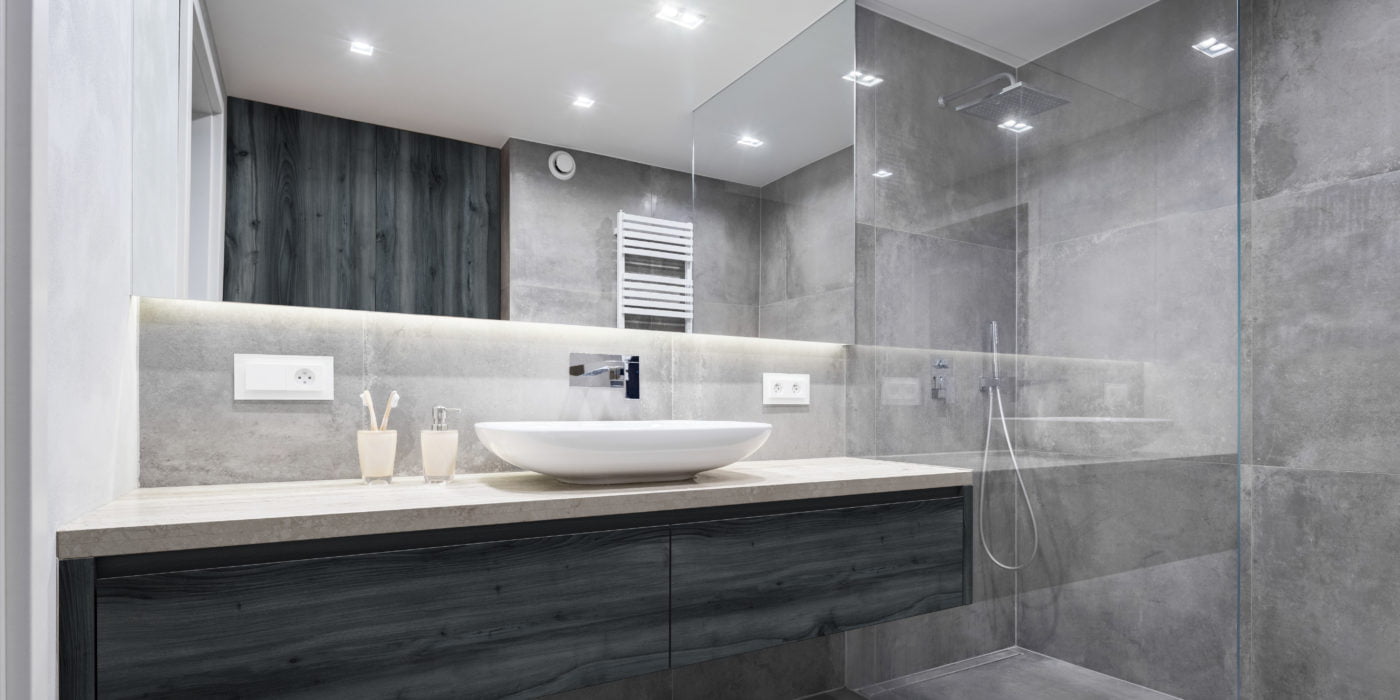
When temperatures drop and indoor heating kicks in, bathrooms often become one of the trickiest parts of a home for managing moisture. Steam from showers and poor airflow can lead to problems that many builders and designers deal with each winter. One of the most common issues? Swelling in bathroom cabinet doors.

It’s a seasonal challenge that creeps up in colder months, especially in homes where ventilation isn’t doing its job. We often notice cabinet doors shifting or bowing slightly, sometimes sticking shut or not aligning properly. The reason comes down to the way materials respond to big swings in moisture and temperature. Knowing what causes this and planning for it ahead of a winter build can go a long way in preventing callbacks later on.

Understanding Moisture and Temperature Swings

Winter tends to dry out the air, but inside bathrooms it’s a different story. Steam from baths and hot showers creates sudden humidity spikes. Then, as the room cools quickly, that moisture lingers and settles on surfaces, including cabinet doors.

Here’s what happens:

  • Cold outdoor air lowers indoor humidity, but bathrooms keep generating steam.
  • That extra steam gets trapped in the room, especially when there’s little or no airflow.
  • Cabinet doors can absorb the moisture, even when insulated, and expand more than expected.

The biggest risk shows up when that steam has nowhere to go. In smaller bathrooms or ones with no exhaust fan, moisture builds up quickly. This is made worse when fresh air can’t get in and damp air can’t get out.

Material Choices That React in Winter Conditions

Not all cabinet doors behave the same way in low temperatures or high humidity. Some materials handle the combination well, while others swell, shrink, or warp.

Wood-based materials are often more affected by these shifts. Natural wood tends to expand when wet and contract when dry. That movement is hard to control and can show up clearly in the winter months when the cycles of heating and cooling repeat several times a day.

On the other hand, engineered materials like MDF and thermofoil are more stable under pressure. MDF is less likely to experience uneven swelling, especially when sealed properly. Thermofoil adds another layer of protection with its bonded surface, helping cabinet doors stay consistent in size and shape during colder seasons.

Choosing materials that are FSC certified not only supports sustainability but adds peace of mind regarding quality, as we offer eco-friendly MDF options and lead with zero waste practices in manufacturing. Selecting a reliable supplier specializing in both custom and standard bathroom cabinet doors can further reduce the risk of winter movement.

Installation and Placement Mistakes That Make Swelling Worse

Even with the right cabinet door material, a tricky placement or install can still introduce problems during the winter. Some things we’ve come across that can cause trouble include:

  • Placing cabinet doors too close to heating vents or sources like radiant heaters
  • Skipping proper ventilation, including leaving out a bathroom fan
  • Not allowing enough spacing between the cabinet box and other surfaces, which traps warm air and moisture

Heat comes from below, behind walls, and sometimes directly from vents. If a cabinet door is in line with that airflow, one side might expand more than the other throughout the day. That kind of stress can cause warping or bending over time.

Ventilation also plays a big role. Even when the right fan is installed, it needs to be used consistently to move wet air out. Otherwise, that moisture will sit there and slowly soak into the cabinet structure. Giving enough clearance around the sides of cabinet boxes allows airflow to circulate, drying surfaces more evenly.

How to Plan Winter-Resistant Bathroom Builds

Smart planning during the design and build phases goes a long way in avoiding mid-winter issues with swelling or shifting cabinet doors. Material choice is a big part of that, but how you fit everything together matters too.

When we’re thinking long-term durability, we focus on:

  • Using materials like MDF wrapped in thermofoil, which are less reactive to moisture
  • Designing layouts with airflow in mind, especially around high-use zones and corners
  • Choosing soft-close hinges that add less stress when cabinet doors shift slightly

These choices make a difference through the colder months. When working with a Canadian manufacturer like us, fast lead times and a broad selection of bathroom cabinet door profiles and finishes allow projects to stay on schedule while still prioritizing moisture resistance.

What Designers and Builders Can Expect in Cold-Season Projects

Planning for winter doesn’t end at picking the right materials. Designers and builders need to understand how things will settle once the heating systems turn on, especially in newly built or recently renovated homes.

It’s a good idea to ask a few questions during the spec stage:

  • How has the material performed in cold, damp environments?
  • Is this door finish prone to expansion with temperature changes?
  • How long can we expect it to stay stable before any movement might appear?

Clients often notice small shifts in January, once constant heating dries out some parts of the home, while others stay humid. Cabinet doors in bathrooms get hit hardest during this stretch.

Putting expectations in place and making small adjustments based on install location can cut down on calls about warped or sticky cabinet doors as winter drags on.

Finish Strong with Smarter Cabinet Door Choices

Canadian winters present unique challenges for bathroom cabinetry, but those risks can be managed with informed material selection and thoughtful project planning. Selecting bathroom cabinet doors from manufacturers that prioritize quality, sustainability, and fast delivery, like us, ensures durable solutions that resist swelling and warping no matter how damp or cold the season gets.

Choosing the right finishes and reliable suppliers at the outset allows bathrooms to maintain function and appearance even through drastic winter temperature swings. Taking these steps now can reduce callbacks, satisfy homeowners, and keep builds on the right track.

Builders and designers looking to minimize callbacks can count on our selection of bathroom cabinet doors, made to deliver consistent performance in humid conditions. At M+J Woodcrafts, we build every product with durability in mind and plan for the season ahead. Reach out if you have questions or need support specifying the best options for your project.

What to Expect From Replacement Kitchen Cabinet Doors

Updating a kitchen does not always mean starting from scratch. For many designers and builders, replacing existing cabinet doors is enough to make a space feel new. When the boxes are still solid, swapping out what is visible can bring the look up to date while keeping the same layout. Replacement kitchen cabinet doors are often quicker to install and easier to manage, which helps near the end of the year when project time is tight. Knowing how this update works in advance keeps the process moving, especially during winter when schedules do not stretch far.

Evaluating What Needs to Be Replaced

Before choosing new cabinet doors, always check the current cabinets for damage. If the boxes are strong, replacing just the doors makes sense and avoids a full kitchen demo. But if there are signs of swelling, splitting, or internal trouble, more work might be needed.

Designers start with the basics: does the style and footprint still work for the space? If so, the focus shifts to picking a new door finish, shape, or surface. Switching to a simple slab style or refreshing to a lighter colour can tie the kitchen in with the rest of a renovation. It is also smart to consider winter conditions for delivery and install. Snow, rain, or blocked parking can affect how materials arrive and where they can be stored.

Planning the schedule matters. For late-year projects, knowing what products can ship quickly and what might require wait time can keep everything lined up.

Material Options Built for Performance

Not all materials stand up to daily use in busy kitchens or commercial settings. For replacement kitchen cabinet doors, many in the trade turn to laminate and similar engineered choices. These hold up to bumps, cleaning, and wide swings in air quality or humidity.

Wood doors are not used often for replacements, as they swell and react with steam, drying times, or seasonal temperature swings. Laminate cabinets keep the structure even as winter cold moves in, resisting edge warping or centre bowing. This supports day-to-day use and cuts down on costly call-backs.

The right finish is not just about a clean look. When a kitchen is used by several tenants, families, or in a public setting, doors need to resist fingerprints, bumps, and residue. Layered, sealed materials make cleaning easier and add years to each section.

M+J Woodcrafts provides replacement kitchen cabinet doors using high-performance laminates and core materials specifically for environments that face tough weather and regular use.

Understanding Fit, Sizing, and Lead Times

Most replacement slowdowns come from a wrong size or surprise fit issue. Proper measurements matter most. Make sure to record both the door’s height and width for each opening, and not just use the old part for reference. Older homes or legacy builds do not always follow today’s sizing standards.

Check whether hinges and hardware should swap out or remain. Sometimes spacing and overlay fit change when drawer fronts are updated as well. Tiny details, like the distance from door edge to screw hole, make a big impact on how much reworking is needed for install.

Late fall builds often race to finish before holidays, so lead times vary. Not every finish or detail is available the same-week. Ask up front about stock and scheduling for peace of mind. Accurate specs and double-checking orders cut down on confusion and help the crew finish faster.

Why Finishes Matter More Than You Think

A good finish is about more than colour. It impacts how light travels around the kitchen, how doors relate to counters or flooring, and whether the newly finished area feels balanced. The tone, grain direction, and gloss all impact the feeling in a big way, especially across longer runs where connected pieces need to match.

Uniform finish is especially important in open layouts. Any texture or colour difference is easier to spot when rows of cabinets are in the same line of sight. Picking neutral, low-glare finishes helps manage visual transitions better, giving the kitchen a cleaner, more comfortable mood.

Finishes also affect pairing. With new or existing counters, flooring, appliances, and hardware all visible, a well-chosen cabinet door finish can support a better match without forcing total uniformity. Thoughtful finish pairing makes the kitchen feel new but still works with long-term use patterns.

Built to Work Through Canadian Winters

Year-end replacement needs more planning in Canada. Weather changes everything—installers need doors that can be moved and installed even in spaces that are not fully heated. Laminate and other high-quality finishes are better choices because they do not warp with cold or sudden shifts between indoor and outdoor air.

Sites often hold doors in cool trailers or need to bring them inside fast. Materials that react badly to these transitions make installs tough. Winter access is tricky enough without dealing with swelling, bubbling, or edge-lifting from poor material choices.

Delivery calendars also run shorter in December. Suppliers might book out quickly, and shipping takes longer over the holidays. Orders should be planned with more buffer during these months so that everything wraps before official close.

Keeping Projects on Track with Smart Material Choices

Expecting the right things from replacement kitchen cabinet doors protects the entire build from wasted effort. With boxes that are in good shape, a door update is the simplest path to a clean outcome. Every decision, from measurement and hardware to finish and delivery, sets the tone for a fast, smooth result.

When these points are addressed early, job flow will stay on track. Designers and builders ready to plan well get kitchens wrapped up ahead of schedule and clients ready to move in—without the old frustrations of patching and reworking at the finish line.

When a full rebuild isn’t on the table, surface updates can still bring big results—as long as the materials match the job. We keep builders in mind with choices that line up well against year-end timelines and tough site access. To help guide your next pick, take a look at our options for replacement kitchen cabinet doors. At M+J Woodcrafts, we focus on finishes and fit that make installs smoother from the start. Send us a note and let’s talk through what your next build needs.

Laminate Cabinet Doors

Who Uses Laminate Door Options in Canada and Why?

Choosing materials for cabinet doors is no longer just about budget. Architects, designers, builders, and millwork professionals are looking for products that deliver reliable performance, consistent finishes, and long-term value. That is one reason laminate cabinet doors continue to be a popular choice across residential, commercial, and multi-unit projects.

A quality laminate door in Canada offers a combination of durability, design flexibility, and finish consistency that supports both aesthetic and functional goals. Whether the project involves custom cabinetry, large-scale residential developments, commercial interiors, or institutional spaces, laminate cabinet doors provide dependable results while maintaining a clean, modern appearance.

Understanding who uses laminate cabinet doors and why helps illustrate their value across a wide range of applications.

Why Builders and Contractors Choose Laminate

Builders often look for products that help maintain consistency from project to project. Laminate cabinet doors are frequently selected because they provide a durable finish, reliable performance, and a professional appearance across a variety of environments.

One of the key advantages is dimensional stability. Quality laminate cabinet doors maintain their appearance and structure over time, helping reduce concerns related to moisture exposure and everyday wear. This reliability supports smoother project execution and helps minimize future maintenance concerns.

Laminate also offers a broad range of styles, colours, and textures, making it easier to align product selections with project specifications without sacrificing performance.

For builders managing multiple units or large developments, laminate provides a practical combination of consistency, appearance, and long-term durability.

How Designers Use Laminate to Balance Style and Function

Designers often select laminate cabinet doors because they offer extensive design flexibility while maintaining a consistent finish across an entire project.

Modern laminate options are available in a wide variety of colours, woodgrain patterns, textured surfaces, and contemporary finishes. This allows designers to create spaces that reflect a specific aesthetic while maintaining cohesion throughout kitchens, offices, retail environments, and shared living spaces.

Consistent finish quality is another important advantage. Colour matching and finish uniformity help ensure cabinet doors, panels, and related millwork components work together visually, creating a polished and professional result.

Designers also appreciate laminate’s ability to complement other materials commonly used throughout a project, including countertops, flooring, wall finishes, and architectural details.

Where Laminate Cabinet Doors Perform Best

Laminate cabinet doors are used throughout Canada in a wide variety of applications because they combine durability with design versatility.

Common applications include:

  • Residential kitchens and bathrooms
  • Multi-family housing developments
  • Rental and condominium projects
  • Student housing
  • Office environments
  • Retail interiors
  • Hospitality spaces
  • Institutional and healthcare facilities

These environments often require products that maintain their appearance while withstanding regular use. Laminate surfaces are valued for their durability, ease of maintenance, and ability to deliver a consistent appearance over time.

For projects where appearance and performance are equally important, laminate cabinet doors remain a dependable solution.

Why Architects Specify Laminate for Larger Projects

Architects often work on projects that require consistency across multiple units, phases, or buildings. Laminate cabinet doors support these requirements by offering repeatable specifications, reliable finish matching, and scalable production capabilities.

Whether a project includes dozens or hundreds of units, maintaining consistency is critical. Laminate products help support uniform appearances across larger installations while allowing design teams to maintain control over colours, textures, and finish selections.

The ability to produce matching components across multiple phases of a project also makes laminate an attractive option for larger developments where future additions or replacement orders may be required.

For architects, this combination of flexibility, consistency, and manufacturing reliability provides confidence throughout the project lifecycle.

The Manufacturing Advantage Behind Quality Laminate Cabinet Doors

Not all laminate cabinet doors are created equally. The quality of the finished product depends on manufacturing processes, material selection, precision fabrication, and attention to detail.

Consistent core materials, accurate machining, and controlled finishing processes all contribute to cabinet doors that look better and perform more reliably over time. Manufacturing precision also helps ensure consistent sizing, finish matching, and profile accuracy across larger production runs.

For project teams, this consistency translates into fewer surprises, more predictable outcomes, and greater confidence in the finished product.

Working with an experienced cabinet door manufacturer helps ensure every component meets the standards required for both residential and commercial applications.

A Smart Choice for Modern Projects

Laminate cabinet doors remain a preferred choice among builders, architects, designers, and millwork professionals because they balance performance, durability, and design flexibility.

From contemporary residential spaces to large commercial developments, laminate provides the consistency and versatility needed to support today’s project requirements. With a wide range of finish options, dependable performance, and strong manufacturing capabilities, laminate cabinet doors remain a practical and attractive solution across many applications.

At M+J Woodcrafts, we manufacture laminate cabinet doors that combine quality craftsmanship, reliable performance, and design flexibility. Whether you’re specifying products for a large development, designing a custom space, or sourcing materials for a commercial project, our team can help you find the right solution. Explore our cabinet door collections or contact us to learn more about our laminate and 3D laminate door options.

custom kitchen cabinets

Kitchen Cupboard Doors That Fit Open-Plan Designs

Open-plan kitchens ask a lot from the smallest details. There is more space to work with, but that means more chances for design choices to feel disconnected or off-balance. This is where kitchen cupboard doors play a bigger role than most expect. They help organize the look, shape the flow, and keep large open spaces from feeling too busy.

When everything is visible—kitchen, living, dining—it matters how each section connects. Cabinet door manufacturing is not just about function. It sets the tone for clean, calm, and joined-together spaces. For builders working on wide, open kitchen layouts, smart cabinet door choices can make winter installs go smoother and lead to fewer surprises.

Material and Finish Choices That Keep Sightlines Clean

In larger spaces, finishes do much more than carry a colour. Glossy surfaces can become distracting when open spaces have lots of windows or lighting. Low-gloss or matte finishes often keep open-plan kitchens pulled together without harsh reflections.

Slab-style kitchen cupboard doors work well here. With no raised trim, they form a base for everything else and let the kitchen flow into the rest of the space. Minimalist door faces support both modern and calm settings, which are easier to blend across dining or living sections.

Colour matching edge treatments or finishes with nearby furniture or wall finishes is another great way to unify the entire zone. During winter, muted or mid-tone shades help prevent the whole area from looking harsh when natural light drops off. Thoughtful use of materials that soften those lighting shifts keeps things balanced from morning to evening.

M+J Woodcrafts manufactures cabinet doors with smooth, low-sheen laminates and clean edge options, ideal for creating cohesive flows in open plans.

Sizing and Spacing That Works with Open Layouts

Frameless cabinet doors work best for open kitchens. They are simpler to align and make the wall feel longer and less broken up. Large kitchens that keep details simple on the main face allow everything to feel connected instead of boxed in.

Planning matters, too. Builders need to think about door swing space, where appliances sit, and how sightlines change when a door opens. Ignoring these basics can force awkward adjustments that break the room’s rhythm.

Oversized kitchen cupboard doors can be too heavy visually, especially above counter height. Spreading storage across a few more doors of similar size keeps things balanced and prevents sections from standing out in the wrong way. Consistent spacing around all the doors helps everything feel squared up across the whole wall. Careful door layout means the open kitchen works with, not against, the rest of the space.

Choosing Hardware That Fits the Flow

Hardware is an easy way to keep things looking organized. In open-plan designs, handleless cabinet doors or recessed pulls help the kitchen feel less cluttered and easier to pass by. This is a big help in homes where people walk through kitchen areas often.

For colder months, soft-close features are especially useful. With more time spent at home, shared noise can carry from the kitchen into living or working spaces. Quiet cabinet doors support a calmer atmosphere.

It helps to match hinge weight, pull style, and fastener finish before install. This cuts down on late surprises and speeds up on-site work. Care in hardware selection also makes each cabinet door stronger, so it lasts just as long as the rest of the build.

Seasonal Considerations for End-of-Year Builds

Cold snaps and job sites in winter bring a few new challenges for kitchen cupboard doors. Not every material performs the same way when buildings are not fully heated or climate-controlled. Laminate finishes, for example, may bond at a different rate in low temperatures.

Uninsulated spaces or exposed install areas can expose cabinet doors to shifting temperatures, making expansion and contraction a bigger issue. Ordering robust materials and sharing site details with your supplier can avoid mishaps with finished surfaces and adhesives.

Carriers and installation crews can also work more smoothly when told if a delivery will mean ramps over snow or shifting equipment through cold entryways. Fewer surprises at the site mean cabinet doors stay protected all the way to the final fit.

Matching Cabinet Doors to Multi-Zone Living Spaces

It is common for open kitchens to overlap with dining or living zones. A kitchen design that blends pattern, colour, or edge style not only supports its own area but links easily to spaces nearby.

It pays to echo elements from other furnishings. Choosing woodgrains that fit a dining table, matching lines to a nearby storage unit, or repeating a cabinet edge on a media wall all help tie a wide room together. These small steps ensure the room feels designed, not pieced together.

Coordinating winter builds means planning finishes that carry warmth and unity across changing light conditions. With soft laminate textures and toned-down hues, repeated from kitchen to hallway or lounge, the home feels friendly through the darker months.

How Smart Cabinet Door Planning Supports Better Flow

Workflow in open kitchens ties directly to smart cabinet door decisions. When kitchen cupboard doors match the design intent of a whole room, everything moves without a hitch from install through final touch-ups.

Design and planning early in the process pays off. Thinking through swing clearance, texture, and tone can help installations go smoothly, and lets every section of an open home feel more linked. The best cabinet doors make transitions quiet, easy, and visually simple—supporting everything from quiet family breakfasts to chaotic winter evenings with friends.

When layouts need to stay clean and connected from one zone to the next, the right cabinet door setup matters. Open spaces work best when surfaces line up and finishes hold steady, even during seasonal changes. We offer a range of kitchen cupboard doors that support those needs without slowing down your schedule. At M+J Woodcrafts, we build each one to suit the way design and install crews actually work. Reach out to start a conversation about your next project.

custom kitchen cabinets

How Door Suppliers in Vancouver Handle Winter Projects

Winter brings a different pace to project planning, especially on the West Coast. Rain, cool temperatures, and job site delays all shape the way teams work from December through March. For builders and designers, knowing what to expect from door suppliers in Vancouver makes planning smoother. Delays can happen when materials are not stored right or suppliers miss lead times. That is why local suppliers need to be ready for wet conditions while still turning out approved products that fit on site.

Cabinet door manufacturing does not stop when the weather turns cold. Materials still need to perform, installs have to move forward, and schedules do not get extra time. The right supplier knows how to manage the conditions so everything stays on track. It is not about rushing the job, but about using materials that perform well through the season.

Planning Around Moisture and Wet Conditions

Vancouver’s winter weather brings steady rain and damp air. Materials can shift if not handled right. Humidity sometimes causes swelling, edge lift, or bonding issues in some cabinet door cores. This is a key reason why we do not use solid wood—stability is just not there when the air is damp.

Laminate works better in these conditions. It keeps its edge, does not react the same way to moisture, and stays smooth during both cold snaps and wet weeks. This consistency makes it the go-to for jobs that cannot pause for a few dry days. We choose surfaces and layered materials that will not swell or crack when moved from cold outdoor storage to warm indoor installs.

Transport and staging are always important. If cabinet doors stay in a damp container for too long, problems can show up before the wrap is off. Keeping everything sealed until inside, storing doors off the concrete, and avoiding stacked piles on wet floors all go a long way to protect the surface until install.

M+J Woodcrafts builds cabinet doors with dense, moisture-resistant cores and sealed finishes, helping stand up to long stretches of humidity and heavy rainfall common in Vancouver winters.

Keeping Lead Times Predictable in Cold Months

Every lost day in winter matters more. Bad weather slows up shipping, and production cycles can get pushed out if suppliers cannot catch up. Good planning starts with setting realistic approvals and locking details before materials get cut.

Lead times do not have to stretch every winter. We set internal cut-off dates and watch which styles or materials are available as weather changes. Certain colours or textures may need extra time if shipping or climate changes get in the way. By grouping orders by finishes or materials, it is easier to keep timing on track, especially when glue or bonding response is affected by cold weather.

Builders and designers help keep things smooth by sending over complete spec sheets and clean files. Early decisions are the best defence against surprises that would slow down the project.

Installation Considerations for Winter Projects

Installing work during the winter comes with a few extra steps. Some adhesives do not bond the same way in cold temps. Hardware sometimes sticks or seizes up if it has just come in from an outdoor truck and is forced into place too soon. Acclimatizing materials for a short time indoors before install really helps.

Job sites can be tight during the winter, with staging moving inside to avoid wet lots. Narrow spaces and closer quarters make every inch matter, so cabinet doors need to arrive pre-sized for fast, clean fits. Late field cuts or trimming become much harder to pull off.

Dry fits and trial placements save trouble. It helps spot spacing or alignment problems before anything is fastened for good. In winter, a little extra checking before final mount cuts out rework and makes installs go faster overall.

Consistency and Material Performance in Winter

Good winter installs rely on every piece arriving matched and ready to mount. Machine-cut sizes keep fieldwork low, so installers do not have to sand or recut surfaces outdoors when the weather is bad.

Avoiding materials that react to shifts in cold and moisture is key. Stable laminates, tough cores, and weather-proof finishes stick to their specs until the job is done. Installers can depend on these choices, and the build looks sharp even after winter handoff.

Finish also impacts daily use. Matte or textured choices hide fingerprints and wear in low light—common for Vancouver’s long winter days and commercial staff settings. These choices keep things neat even if cleaning happens less through the week.

Coordinating with Local Suppliers

Choosing door suppliers in Vancouver does more than just speed up shipping—it brings extra site awareness. Local suppliers understand weather, know the challenges of last-mile delivery during rain or ice, and adjust delivery windows without slowing the chain.

City job access, narrow routes, and weather hold-ups are familiar to local teams, and that experience keeps surprises to a minimum. Shorter routes mean less risk of load issues, and if revisions ever come up, help is close by.

A supplier familiar with Vancouver’s climate habits can also help spot risks others might miss—whether it is about storing product during wet spells or how to load site deliveries for smaller laneways or underground sites. These details keep schedules on track and cut out stress for crews closing a job before winter wraps up.

Staying on Schedule During the Winter Build Season

Finishing projects on time during winter is about more than avoiding snow days. It is about getting details right, starting with materials built for wet weather and coordination with suppliers who understand the routine.

Stable cabinet doors, ordered to fit Vancouver’s climate, lead to fewer reorders, smoother installs, and reliable results no matter the weather. Good plans and strong local support mean that winter does not have to slow builds down—and that the finished space will work through all seasons.

Winter-ready planning makes all the difference, especially when timing and fit need to stay on point. We work closely with builders and designers who rely on stable, moisture-resistant finishes and dependable delivery, no matter what the weather brings. Partnering with experienced door suppliers in Vancouver can help keep seasonal builds moving without delays. At M+J Woodcrafts, we support tight timelines with materials built to handle the wet months. Get in touch to talk through your next build.

Laminate Cabinets

Making the Most of Custom Laminate Cabinets in Canada

When it comes to enhancing interior design projects in Canada, custom laminate cabinets offer a unique blend of style and practicality. They are becoming an increasingly popular choice due to their ability to suit various design preferences and robust nature. Whether it’s creating a sleek, modern kitchen or adding warmth to a commercial space, these cabinets can transform any environment with their vast range of options.

Custom laminate cabinets stand out not just for their beauty but for their versatility in design projects. With a focus on offering durable yet visually appealing solutions, designers, architects, and builders can explore endless possibilities. These cabinets simplify the process by providing an option that’s easy to work with while ensuring that the end result is both impressive and functional.

Benefits of Custom Laminate Cabinets

One of the top reasons professionals choose custom laminate cabinets is their durability. They endure well through heavy use, making them perfect for busy environments. Laminate cabinets don’t just withstand daily wear and tear; they also resist moisture and stains. This resistance means less maintenance and longer-lasting beauty, which is exactly what professionals need in high-demand settings.

– Durability and Longevity: Laminate cabinets are built to last, ensuring they remain a staple in many projects. They hold up well against scratches and dents, making them ideal for both residential and commercial use.
– Variety of Styles and Finishes: From glossy to matte, and traditional to contemporary, the style possibilities are vast. This flexibility allows professionals to match cabinets to any architectural theme or color scheme they might have in mind.
– Easy Maintenance and Cleaning: Unlike wood, laminate’s surface is straightforward to clean with just a damp cloth, and it doesn’t require frequent treating or sealing. This ease of upkeep appeals to those looking for hassle-free solutions in their workspaces.

These factors collectively make custom laminate cabinets a go-to choice for those who seek style without sacrificing practicality. Their ability to fit seamlessly into diverse projects underscores why they are an advantageous selection for Canadian designers aiming to improve aesthetics while maintaining usability in their cabinet door manufacturing projects.

Choosing the Right Laminate for Your Projects

Selecting the right laminate is key to ensuring that cabinet doors meet both functional needs and design aspirations. There are several types of laminate to consider, each bringing its own benefits. High-pressure laminate (HPL) is known for its resilience, making it suitable for high-traffic areas. Low-pressure laminate (LPL), also called melamine, is a versatile choice for less demanding installations.

When deciding on colors and textures, it’s essential to align them with the overall design goals of your project. Neutral tones can create a timeless look, while bold colors and textures add flair and character. Remember, the right choice can bring out the best in a design, connecting different elements harmoniously.

Combining laminate with other materials can enhance the aesthetic appeal. While glass-paneled cabinet doors are not an option, integrating different finishes or trims with laminate can create a striking contrast or delicate balance. Designers should explore these combinations to craft unique and compelling designs.

Installation Tips for Custom Laminate Cabinets

Achieving a professional installation with custom laminate cabinets requires attention to detail. Accurate measurements are the foundation of a successful project, ensuring the fit and finish of each cabinet door meet precise standards. Use reliable tools and double-check all dimensions before starting installation.

Preparation of the installation site is equally important. A clean, clutter-free environment helps in executing a seamless installation process. Make any necessary adjustments before bringing in the cabinets to prevent unforeseen issues.

To ensure a polished finish, focus on alignment and leveling. Properly aligned cabinet doors not only look professional but function smoothly as well. Here are some quick installation tips:

– Measure twice, cut once.
– Pre-drill holes to avoid splitting.
– Use spacers to maintain even gaps.

Real-life Applications and Inspirations

Custom laminate cabinets are highly versatile, fitting into various settings effortlessly. In residential spaces, they can contribute to a modern kitchen that feels warm and inviting. Open layouts benefit greatly from laminate’s ability to complement surrounding furniture and decor.

In commercial environments, their durability and easy maintenance make them ideal for offices or retail spaces where daily wear is significant. These cabinets can enhance the professional appearance of a showroom or offer practical storage solutions in a busy workspace.

Designers and architects can draw inspiration from previous projects where custom laminate cabinets have transformed spaces. A well-planned installation can showcase creativity, adaptability, and style, enabling any setting to reach its full potential.

Transform Your Projects with Custom Laminate Cabinets

Design projects in Canada stand to gain significantly from incorporating custom laminate cabinets. Their variety, durability, and style options open up opportunities for professionals seeking to deliver high-quality results. These cabinets provide not just aesthetic value, but also contribute to the overall functionality and efficiency of a space.

Exploring the vast possibilities that custom laminate cabinets offer will allow designers to realize their creative visions. By focusing on the advantages these cabinets bring to a design, professionals can craft beautiful, long-lasting environments that impress and function seamlessly.

Ready to enhance your design projects with style and durability? Explore the extensive variety of custom laminate cabinets Canada with M+J Woodcrafts. Our selection caters to various design needs, ensuring both aesthetic appeal and functionality in any space. Let us help you bring your creative vision to life with our innovative cabinetry solutions.

BRISTOL WHITE MATTE kitchen cabinet doors

Best Practices for Ordering Custom Cabinet Doors

Designing a space involves choosing the right elements that meet both aesthetic and functional requirements. Custom cabinet doors are a crucial part of this process, providing the perfect balance between style and utility. Whether you’re working on a new build or a renovation project, understanding how to order these doors efficiently can save time and ensure satisfaction.

To achieve the best results, it’s important to assess your needs and make informed choices. From identifying the right style and finish to ensuring precise measurements, each step plays a role in the overall success of the project. Careful planning helps prevent common mistakes and leads to a smoother experience.

Working with manufacturers to coordinate effectively is also essential. Clear communication and setting realistic timelines help align expectations with deliverables. By following these best practices, designers, architects, and builders can confidently order custom cabinet doors that perfectly suit their project requirements.

Understanding Your Project Needs

Before ordering custom cabinet doors, it’s essential to have a clear picture of your project requirements. Start by assessing the space and design elements that will influence your choices. Consider the layout and the dimensions of the area where the cabinet doors will be installed. This helps to determine the appropriate size and style needed for your project.

Next, focus on selecting the right style and finish that complements the overall design theme. Whether aiming for a modern look with sleek surfaces or a classic appeal with traditional finishes, the style sets the tone for the entire space. Be mindful of the colour palette and texture, as these details play a crucial role in achieving the desired aesthetic.

Functionality and usage are also important considerations. Think about how the cabinet doors will be used daily and select features that enhance their utility. Options such as soft-close hinges can enhance ease of use, while durable materials can withstand busy environments. By thoroughly understanding your project needs, you can make informed decisions that align with both design vision and practical requirements.

Accurate Measurements Techniques

Taking precise measurements is a critical step when ordering custom cabinet doors. Accurate measurements ensure that the doors fit perfectly and operate smoothly within the designated space. Having the right tools can make this task much simpler. A reliable tape measure, a level, and a straight edge are essential tools needed for accurate readings.

Begin by measuring the height, width, and depth of the space where the cabinet doors will hang. Measure both the upper and lower parts of the space, as walls and floors can sometimes be uneven. Record these dimensions carefully, as even minor discrepancies can lead to poor fitting.

A step-by-step approach can be helpful:

  1. Height: Measure from the floor to the ceiling where the cabinet doors will be installed.
  2. Width: Measure from one side to the other horizontally across the installation space.
  3. Depth: Measure the depth of the space from the front to the back.

Be aware of common pitfalls, such as not accounting for trim or moulding around the space, which can affect the final fit. It’s advisable to double-check measurements to ensure accuracy. Avoid rounding numbers off, as precision is key to a good fit. By taking careful measurements and noting them down, you set the foundation for a successful custom cabinet door project.

Selecting Quality Materials

Choosing the right materials for your custom cabinet doors is essential for ensuring durability and satisfaction with the final product. Evaluating the various material options available helps in selecting ones that not only look great but also stand up to daily use. One popular option is vinyl, prized for its high durability and maintenance ease. Vinyl cabinet doors resist moisture and scratches, making them a reliable choice for many design applications.

When selecting materials, consider the long-term use and look of the cabinet doors. Vinyl is advantageous because it maintains its appearance over time, even in high-traffic areas. It offers a variety of finishes and textures, allowing for flexibility in design without compromising strength.

Comparing finishes and textures is important to align with your project’s aesthetic goals. Some finishes offer a glossy look, while others provide a more muted, matte surface. The texture can add depth and interest, turning simple designs into standout features. By focusing on quality materials such as vinyl, you ensure that the end result is both visually pleasing and performance-oriented.

Coordinating with Manufacturers

Successful coordination with manufacturers is critical when ordering custom cabinet doors. Communication plays a key role in achieving desired outcomes. Foster a relationship with the manufacturer that encourages open dialogue and feedback. Clearly relay your project requirements and design preferences to avoid misunderstandings.

Sample reviews and prototypes are instrumental in this process. Request samples to see and feel the materials, finishes, and textures before finalizing decisions. Prototype approvals allow architects and builders to assess how well the cabinet doors meet specifications and if any adjustments are needed.

Setting realistic timelines is another important aspect. Confirm production and delivery schedules with the manufacturer to ensure they align with project deadlines. Discuss potential delays and how they will be managed, establishing a plan to address any issues that may arise. By coordinating effectively with manufacturers, the entire process becomes smoother and more predictable.

Ordering custom cabinet doors involves a series of well-planned steps that ensure the final product meets both functional and aesthetic goals. Understanding project needs, taking accurate measurements, selecting the right materials, and maintaining clear communication with manufacturers are essential practices for a successful outcome.

M+J Woodcrafts is committed to providing top-quality custom cabinet doors that meet your unique specifications. Whether you need guidance on material selection or help with precise measurements, our team is here to assist you. Contact M+J Woodcrafts today to bring your design vision to life with expertly crafted cabinet doors tailored to your needs.

BRISTOL WHITE MATTE custom cabinet door

Key Trends in Custom Cabinet Doors for Modern Homes

Custom cabinet doors are at the forefront of modern home design, offering endless possibilities for creating unique, functional, and aesthetically pleasing spaces. With the constant evolution of materials, designs, and manufacturing technologies, it is essential to stay updated on the latest trends.

This helps designers, architects, and builders deliver exceptional results that meet contemporary tastes and requirements. So, read on to understand and incorporate these emerging trends to create modern, stylish, and sustainable custom cabinet doors that stand out in today’s competitive design landscape.

Innovative Materials in Custom Cabinet Doors

Custom cabinet doors today leverage a range of innovative materials that enhance both style and functionality. Among the latest materials gaining popularity are medium-density fibreboard (MDF), thermofoil, and high-gloss acrylic. Each of these materials offers unique benefits, making them suitable choices for modern home designs.

Medium-density fibreboard is valued for its affordability and smooth surface, which makes it ideal for painted finishes. One of its primary benefits is its resistance to warping, which is common in solid wood.

Thermofoil is another popular choice. Vinyl-wrapped MDF thermofoil offers a consistent finish that requires low maintenance. It resists stains and scratches, making it perfect for high-use areas like kitchens. On the downside, it may peel if exposed to excessive heat, so placement near ovens or stovetops is less ideal.

High-gloss acrylic is preferred for its sleek, modern appearance. It provides a reflective surface that adds a contemporary feel to any space. This material is highly durable and easy to clean, though it can show fingerprints and require frequent wiping to maintain its pristine look.

These materials are suitable for modern homes because they offer a balance of durability, aesthetics, and low maintenance. They cater to the current demand for stylish yet practical home solutions, making them ideal for designers, architects, and builders.

Popular Design Trends for Modern Cabinet Doors

Current design trends for custom cabinet doors emphasize both aesthetics and functionality. Some of the most sought-after trends include minimalist designs, bold colours, and mixed materials. These trends reflect the modern homeowner’s desire for clean lines, visual interest, and practicality.

Minimalist designs continue to dominate in 2025. Cabinet doors with flat panels and sleek hardware create a clean and uncluttered look. This style suits modern and contemporary homes, offering a timeless elegance.

Bold colours are also making a statement in custom cabinet door trends. Rich, dark hues like navy blue and emerald green add depth and sophistication to kitchen and bathroom spaces. These colours are often paired with gold or brass hardware to enhance their dramatic effect.

The use of mixed materials provides additional visual interest. Combining high-gloss acrylic with matte finishes or pairing wood-like vinyl with metal accents creates a layered, textured look. This trend allows designers to experiment with contrasts and complementary elements, adding unique touches to each project.

Trending finishes and textures include matte black, brushed nickel, and textured laminates. These finishes offer a variety of choices to suit different tastes, from industrial chic to modern luxury.

Technological Advancements in Cabinet Door Manufacturing

Modern technologies have significantly transformed cabinet door manufacturing. Laser cutting and 3D printing are two notable advancements that have redefined the process. Laser cutting allows for precise and intricate designs that were once difficult to achieve. This precision reduces material waste and improves the overall quality of the finished product. 3D printing, on the other hand, enables the creation of complex shapes and patterns, offering new opportunities for customization.

Advancements in manufacturing technology also enhance efficiency. CNC (Computer Numerical Control) machines automate cutting, drilling, and finishing processes, ensuring consistency and speed. These machines can produce large quantities of cabinet doors with exact specifications, reducing production time and costs.

The impact of technology on design customization is profound. With advanced software, designers can create detailed 3D models, allowing clients to visualize their custom cabinet doors before production begins. This capability ensures that the final product meets the client’s expectations and reduces the likelihood of costly revisions.

Sustainability and Eco-Friendly Solutions in Cabinet Doors

Sustainability is a critical factor in modern home design. Eco-friendly cabinet door manufacturing practices play a significant role in this. One way to achieve sustainability is through the use of recycled materials. Using recycled wood fibres in MDF or sustainable polymers in thermofoil reduces the environmental impact.

Eco-friendly processes in manufacturing include water-based adhesives and finishes, which are less harmful than traditional solvent-based options. These materials emit fewer volatile organic compounds (VOCs), improving indoor air quality and creating safer working environments for manufacturers and end-users.

The benefits of sustainable choices extend beyond environmental impact. For designers, architects, and builders, using eco-friendly materials and processes can be a unique selling point.

Clients increasingly prefer green solutions, and offering sustainable cabinet doors can meet this demand. Sustainable practices also align with regulatory requirements and contribute to the overall health and well-being of occupants.

Custom cabinet doors are evolving with innovative materials, modern design trends, advanced manufacturing technologies, and sustainable solutions. These elements combine to create cabinet doors that are not only functional but also aesthetically pleasing and environmentally responsible.

For those in the design, architecture, and building industries, staying ahead of these trends is essential. By choosing M+J Woodcrafts for your custom cabinet door needs, you gain access to expertly crafted solutions that meet the highest standards of quality and sustainability. Explore our offerings today to transform your projects with the latest in cabinet door innovation.

custom cabinet door

Embracing Sustainability in Cabinet Door Manufacturing: An Essential Guide

The cabinet door manufacturing industry is changing in an era marked by increased environmental awareness and the necessity for sustainable practices. Designers, architects, and builders are recognizing the importance of incorporating green solutions in their projects to address clients’ growing concerns about the ecological footprint of their homes and workspaces.

As an industry professional, understanding the value of sustainable cabinet door manufacturing and integrating environmentally responsible practices in your projects is crucial. Not only does it showcase your commitment to preserving the environment, but it also enables you to offer your clients innovative and sustainable cabinet solutions that align with their values and contribute to a healthier living space.

M+J Woodcrafts, a leader in custom cabinet door manufacturing in Canada, is revolutionizing the industry by integrating sustainable practices into their manufacturing processes, sourcing, and materials.

Below, we will explore various aspects of sustainable cabinet door manufacturing, highlighting the benefits and opportunities it presents for industry professionals. We’ll look into the long-term advantages of choosing sustainable cabinet door solutions for your clients and how they enhance your professional reputation.

1. The Importance of Responsible Sourcing in Sustainable Cabinet Door Manufacturing

One of the key factors determining the sustainability of cabinet door manufacturing is responsible sourcing. As a designer, architect, or builder, choosing a manufacturer committed to environmentally responsible practices is essential for ensuring the sustainability of your cabinetry solutions. Responsible sourcing encompasses several aspects:

– Ethically Harvested Materials: Responsible sourcing ensures the preservation of biodiversity and promotes responsible manufacturing practices.

– Localized Sourcing: Choosing manufacturers that source their materials locally helps reduce the carbon footprint associated with transportation, contributing to a greener and more sustainable manufacturing process.

– Material Reuse and Recycling: Responsible sourcing also involves incorporating reclaimed wood or recycled materials, promoting a circular economy and reducing waste.

M+J Woodcrafts is an advocate for responsible sourcing, integrating these principles to create sustainable cabinet door solutions without compromising on quality or aesthetics.

2. Eco-Friendly Materials: The Backbone of Sustainable Cabinet Door Manufacturing

An essential component of sustainable cabinet door manufacturing is the use of eco-friendly materials. Beyond responsibly sourced wood, manufacturers like M+J Woodcrafts are exploring alternative materials that contribute to reduced environmental impact. Some sustainable material options include:

– Recycled and Low-impact Wood: Utilizing reclaimed wood or low-impact engineered wood products, such as MDF (medium-density fibreboard) and particleboard, can lessen the environmental impact without sacrificing quality or style.

– Vinyl Cabinet Door Solutions: Vinyl, combined with responsible manufacturing practices, can offer a versatile, low-maintenance, and visually appealing option that aligns with sustainable principles.

M+J Woodcrafts is committed to offering a wide range of environmentally conscious material choices in their custom cabinet doors, catering to diverse preferences while promoting sustainability.

3. Energy-Efficient Manufacturing Processes: Reducing the Environmental Impact

Embracing energy-efficient practices within manufacturing processes is another key aspect of sustainability in cabinet door production. Manufacturers like M+J Woodcrafts are taking significant steps to reduce their carbon footprint and energy consumption, such as:

– Optimizing Resource Utilization: Employing advanced manufacturing techniques and machinery, M+J Woodcrafts maximizes the use of raw materials, minimizing waste and ensuring optimal efficiency.

– Waste Reduction and Recycling: Implementing comprehensive waste management programs, M+J Woodcrafts strives to minimize waste generation at every stage of production, promoting recycling, reuse, and responsible disposal when necessary.

4. The Long-Term Advantages of Sustainable Cabinet Door Manufacturing

Embracing sustainable cabinet door manufacturing practices not only plays a vital role in preserving the environment but also offers numerous long-term advantages for both industry professionals and their clients. These benefits include:

– Enhanced Client Satisfaction: Offering eco-friendly cabinet door solutions appeals to a growing number of environmentally conscious clients and demonstrates your commitment to creating healthy and sustainable living spaces.

– Competitive Edge: Integrating sustainable cabinet door manufacturing into your design or building projects can differentiate your services and bolster your professional reputation, attracting clientele that prioritize environmental responsibility.

Pave the Way for a Greener Future with Sustainable Cabinet Door Manufacturing

In an ever-evolving industry that recognizes the necessity of sustainable practices, embracing sustainability in custom cabinet door manufacturing is paramount. By understanding the importance of responsible sourcing, eco-friendly materials and energy-efficient processes, industry professionals can contribute to protecting the environment while offering innovative, long-lasting cabinetry solutions to their clients.

M+J Woodcrafts incorporates sustainability principles into their custom cabinet door solutions to redefine the industry’s landscape. Partnering with M+J Woodcrafts signifies a collective effort to create a greener, more sustainable future.

Elevate your design projects and enhance your professional reputation by integrating M+J Woodcrafts’ sustainable custom cabinet door solutions that resonate with your clients’ environmental values. Let M+J Woodcrafts be the catalyst for transforming your design projects into environmentally responsible masterpieces that pave the way for a greener future.

Thermofoil Cabinet Doors

Thermofoil Cabinet Doors: Versatility and Style for Designers, Architects, and Builders

For designers, architects, and builders navigating the world of custom cabinet doors, thermofoil cabinets have emerged as an increasingly popular choice in contemporary design. Known for their versatility, durability, and seamless appearance, these cabinet doors boast a range of advantages that make them an appealing option for professionals seeking to create visually stunning and high-performance spaces for their clients.

As an industry specialist, understanding the characteristics, benefits, and design possibilities of custom thermofoil cabinet doors is vital to maximizing their potential in your creative projects. In this designer’s corner guide, we delve into the world of thermofoil cabinets, exploring the manufacturing process, material properties, and design versatility these cabinets offer. Additionally, we will discuss how to integrate thermofoil cabinets into diverse styles and spaces, ensuring they perfectly complement your clients’ unique design preferences and requirements.

M+J Woodcrafts, a leader in custom cabinet door manufacturing, excels in crafting thermofoil cabinets that reflect the highest standards of quality, innovation, and performance. This guide, built upon the expertise of M+J Woodcrafts, aims to empower industry professionals with the knowledge and inspiration required to harness the full potential of custom thermofoil cabinets in their projects.

1. The Manufacturing Process: Crafting Thermofoil Cabinet Doors

Thermofoil cabinet doors are typically constructed using a medium-density fiberboard (MDF) substrate. MDF is a versatile and stable material that serves as an ideal platform for the thermofoil application. The key element that defines thermofoil cabinets is their exterior layer of vinyl, known as thermofoil, which is pressure-applied and heat-fused to the MDF surface. This innovative process ensures a seamless, durable finish that repels moisture and resists chipping, making it an excellent choice for various interior spaces.

M+J Woodcrafts takes pride in their advanced thermofoil manufacturing process, meticulously crafting custom thermofoil cabinet doors that embody superior quality, strength, and beauty. By partnering with M+J Woodcrafts, industry professionals can access high-calibre thermofoil cabinets tailored to each unique design project.

2. Versatility and Customization: Unleashing the Full Potential of Thermofoil Cabinets

One of the primary attractions of thermofoil cabinet doors is their extraordinary versatility and customization potential. Thermofoil cabinets grant designers, architects, and builders an unparalleled level of design flexibility, providing numerous options for texture, colour, and finish that seamlessly integrate with various design styles.

– Colours and Finishes: Thermofoil cabinets are available in a broad spectrum of colours, from classic whites and neutrals to striking bold hues. Additionally, several finishes can be applied to thermofoil, including matte, high-gloss, and semi-gloss, allowing professionals to create custom cabinet solutions that fit any design vision.

– Textures and Patterns: One of the significant advantages of thermofoil cabinets is their ability to mimic various materials and textures. Woodgrain patterns, for instance, can be convincingly replicated, giving designers the flexibility to achieve a natural wood aesthetic without the ongoing maintenance and costs associated with solid wood cabinets.

– Innovative Design Options: Thermofoil cabinets enable unique design features and details, such as decorative door fronts, flat or raised panel designs, and contemporary, streamlined edges. By working alongside M+J Woodcrafts, professionals can explore an extensive range of design possibilities to create bespoke cabinet doors that stand out and align with their clients’ creative vision.

3. Elevating Interior Spaces with Thermofoil Cabinet Doors

Understanding the advantages and design potential of thermofoil cabinets is only the beginning; industry professionals must now explore how to incorporate these innovative cabinet door manufacturing solutions into their design repertoire. Below are some essential factors to consider when integrating thermofoil cabinets into various design projects:

– Assess the Space Requirements: Thermofoil cabinets are an excellent choice for a range of interior environments, from kitchens and bathrooms to commercial spaces and even closets. However, it is crucial to carefully assess each area’s specific requirements and demands, ensuring thermofoil cabinets offer the appropriate level of durability and style for the intended purpose.

– Mix and Match Styles: Thermofoil cabinets can be seamlessly combined with other cabinet materials to achieve an eclectic design aesthetic, blending textures and finishes to create a unique and visually engaging space. Don’t be afraid to mix thermofoil doors with wood or glass cabinets, capitalizing on the advantages and characteristics each material offers.

– Showcase Design Elements: Thermofoil cabinets can act as an ideal backdrop for showcasing standout design elements, such as decorative hardware, innovative lighting solutions, or bold backsplash materials. Experiment with eye-catching accents and play with contrasts to create dynamic, stylish interior spaces that appeal to your clients.

4. Caring for Thermofoil Cabinets: Tips for Professionals and Clients Alike

While thermofoil cabinets offer a high level of durability and low-maintenance appeal, it is essential to educate clients on proper care and upkeep. Offering straightforward care tips will ensure thermofoil cabinets maintain their pristine appearance and longevity. Consider sharing these general maintenance guidelines with your clients:

– Regular Cleaning: Encourage your clients to use a mild detergent and soft cloth for everyday cleaning. Thermofoil surfaces are easy to clean and maintain, but avoiding abrasive cleaners and harsh chemicals will prevent damage and discolouration.

– Heat Resistance: Although thermofoil cabinets are generally resistant to moisture and heat, it is still essential to avoid excessive heat exposure near the cabinet doors, such as ovens or stovetops without proper ventilation. Recommend the use of heat shields to protect thermofoil cabinets from excessive heat.

– Address Damage Promptly: In the rare instances where damage may occur, advise your clients to address issues quickly to prevent further damage or complications.

Harness the Power of Thermofoil Cabinets for Creative Success

In today’s dynamic design landscape, thermofoil cabinets provide a versatile, durable, and low-maintenance solution for industry professionals seeking to create exceptional interior spaces. By partnering with M+J Woodcrafts, architects, designers, and builders can embrace the full potential of custom thermofoil cabinet doors, elevating their designs and delighting their clients with an extensive range of vibrant, stylish, and resilient cabinet door manufacturing options.

Begin your journey into the world of thermofoil cabinet doors with M+J Woodcrafts as your trusted guide, and experience a world where design inspiration and innovation truly come to life. Contact us today to get started.

Add to cart